In Arabic music, the long-necked lute known as the buzuq has long stood in the shadow of the oud. Beirut-based musician Farah Kaddour explores the instrument’s significance in the music of the Levant – the Arabic-speaking countries of the eastern Mediterranean. Featuring a variety of ensembles and musical settings, this richly diverse evening forms part of the Elbphilharmonie’s Lebanon spotlight.
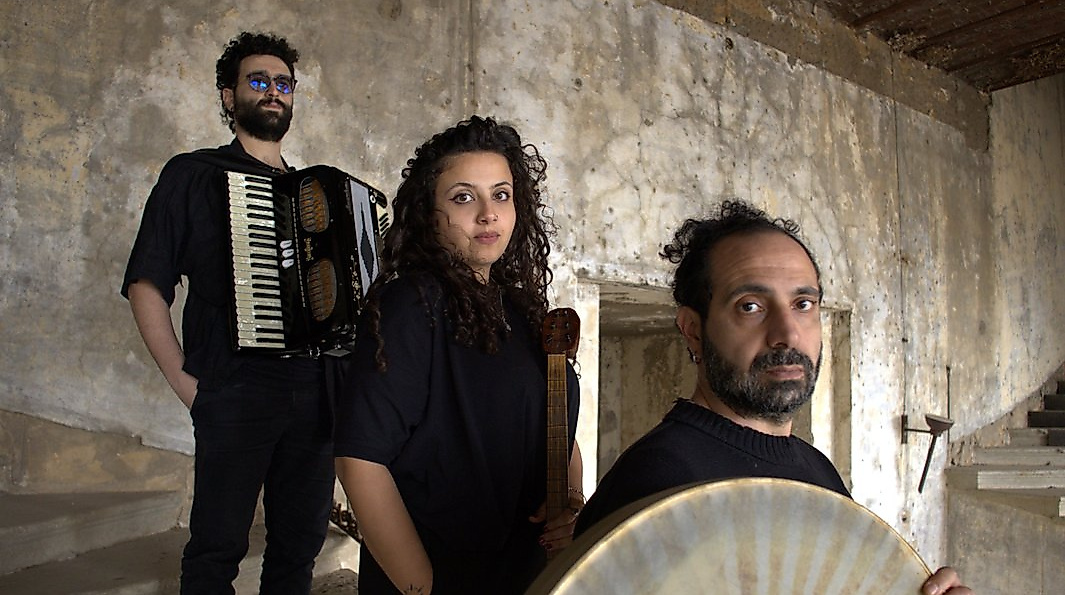
As a researcher, composer and stage musician, Farah Kaddour explores every facet of the buzuq’s history in the Levant. Her work spans folk traditions, classical Arabic music, new forms of improvisation and experimental rock. On her current solo album »Bada«, she presents the instrument in all its many dimensions. Sometimes she performs alone, at other times with her trio TILT, where the sound of the buzuq is joined by percussion and the distinctive quarter-tone colouring of the Arabic accordion.
Many people associate the word buzuq with the Greek bouzouki, which is closely related to the Levantine instrument. From the vast family of long-necked lutes, whose history stretches back thousands of years, a pear-shaped, four-string version of the buzuq eventually emerged in Syria and Lebanon. In the 20th century, the instrument made the leap from the sphere of travelling musicians into professional performance practice and after the Second World War it took on an important role in the orchestras accompanying the modern Arabic song tradition.
PERFORMERS
TILT ensemble
Farah Kaddour buzuq, vocals
Samah Boulmona accordion, vocals
Ali Hout percussion, vocals
PROGRAM
The Buzuq Between Tradition and Innovation – Classical Arabic Music and Improvisation

