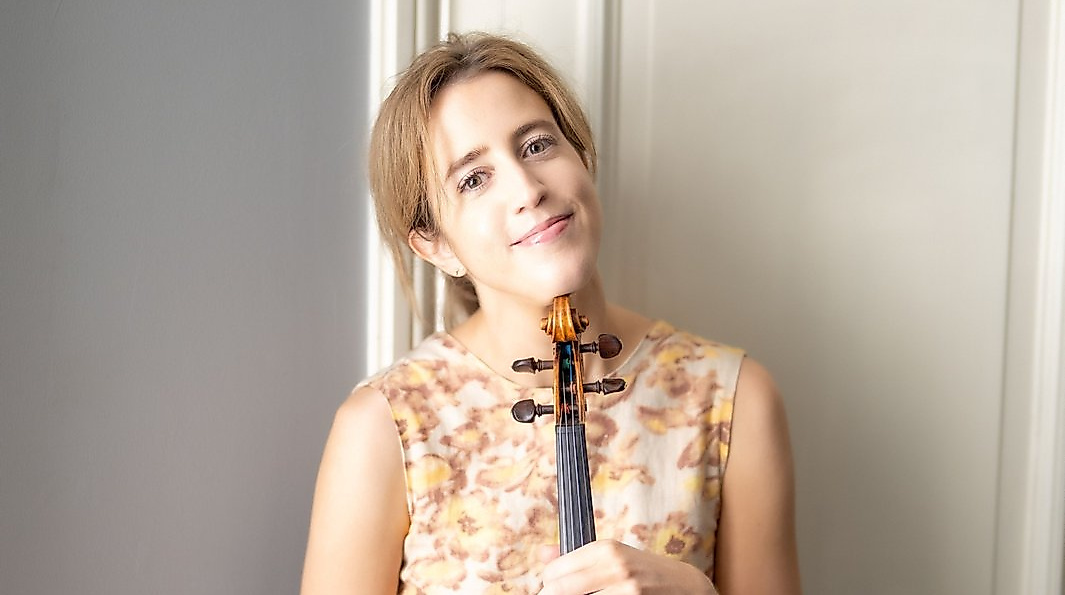
It has now been five years since the Deutsche Kammerphilharmonie Bremen fell head over heels for the Finnish »once-in-a-century talent« (Tagesspiegel) on the conductor’s podium, Tarmo Peltokoski, appointing the then 21-year-old as the orchestra’s first-ever Principal Guest Conductor. What began as an instant spark has since grown into a deep artistic partnership that is palpable in every performance. Joined by the charismatic violinist Vilde Frang, orchestra and conductor now embark on the next chapter of their close collaboration.
The programme features Romantic works by Felix Mendelssohn and Robert Schumann that, unjustly, are often overshadowed by some of their composers’ more famous masterpieces. While Mendelssohn’s »A Midsummer Night’s Dream« and »The Hebrides« rank among the most beloved concert overtures, his overture to Victor Hugo’s »Ruy Blas« remains comparatively little known – even though its wealth of musical ideas thrilled audiences during the composer’s lifetime. Likewise, the majestic »Reformation« symphony is performed far less frequently than the »Scottish« or »Italian« symphonies, despite its magnificent finale, which incorporates Mendelssohn’s orchestral setting of Bach’s chorale »A Mighty Fortress Is Our God« and stands among the finest achievements of his symphonic output.
Robert Schumann’s Violin Concerto completes the programme with a work that only received the recognition it deserved many years after the composer’s death. Written for the greatest violin virtuoso of its day, Joseph Joachim, its planned premiere never took place, and the concerto fell into obscurity. Only in recent decades has the D minor Concerto – with its richly textured solo part – secured its place in the international repertoire.
PERFORMERS
Die Deutsche Kammerphilharmonie Bremen orchestra
Vilde Frang violin
Tarmo Peltokoski conductor
PROGRAM
Felix Mendelssohn Bartholdy
Overture to »Ruy Blas«, Op. 95
Robert Schumann
Concerto for Violin and Orchestra in D minor, WoO 1
- Interval -
Felix Mendelssohn Bartholdy
Symphony No. 5 in D major, Op. 107 »Reformation«


