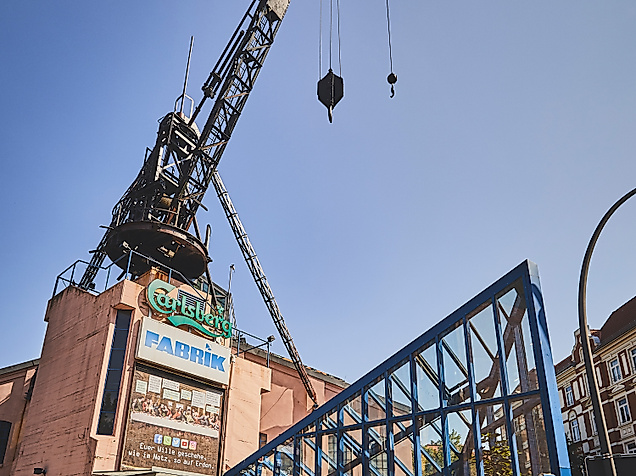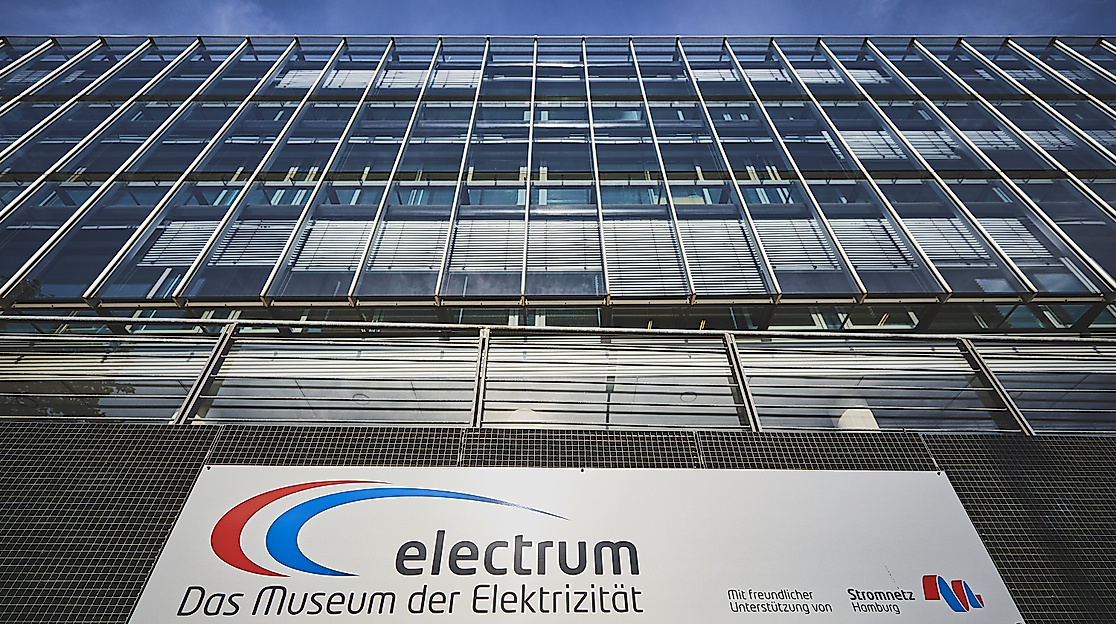
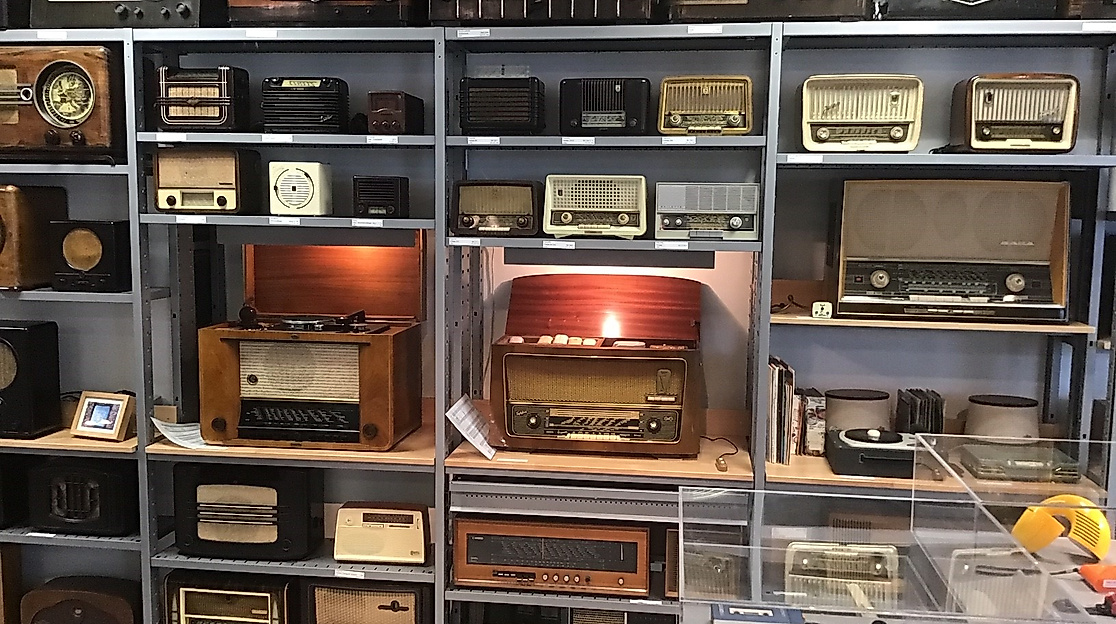
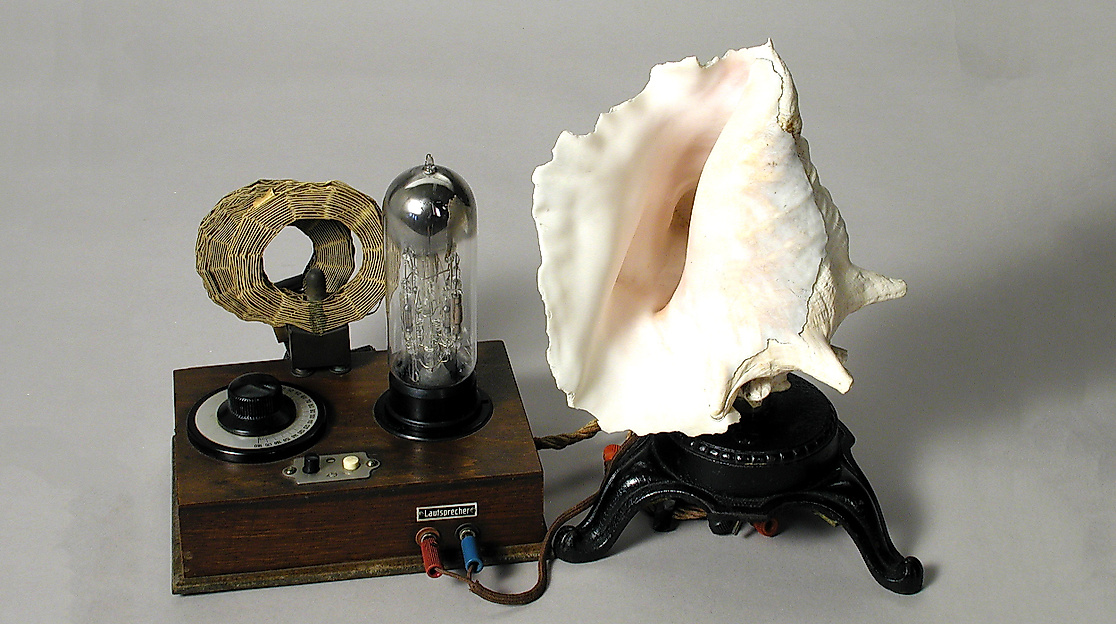
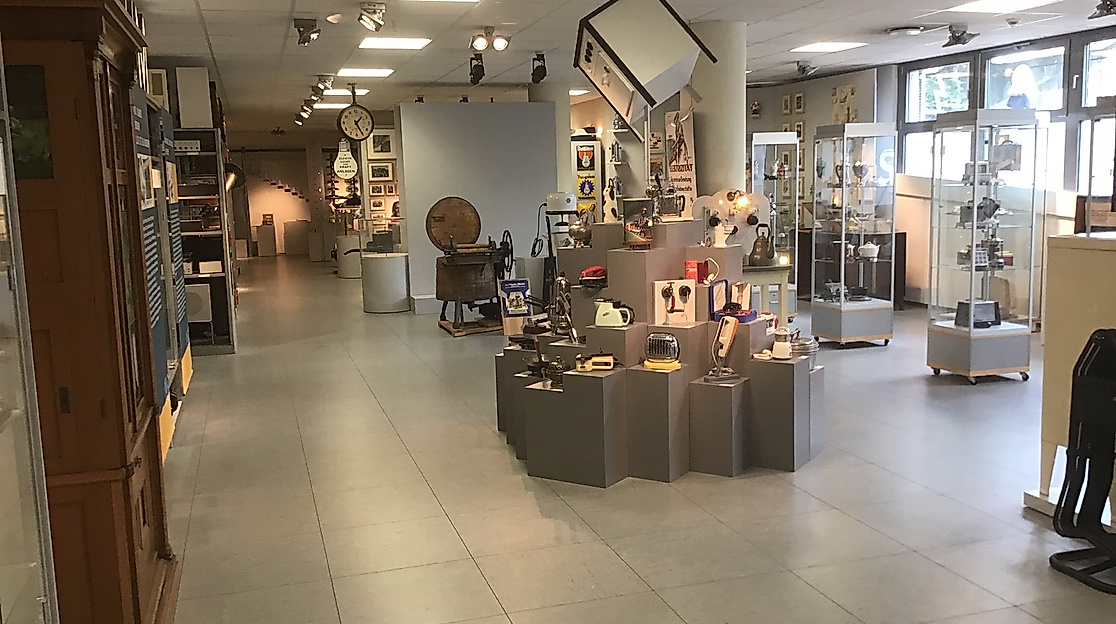
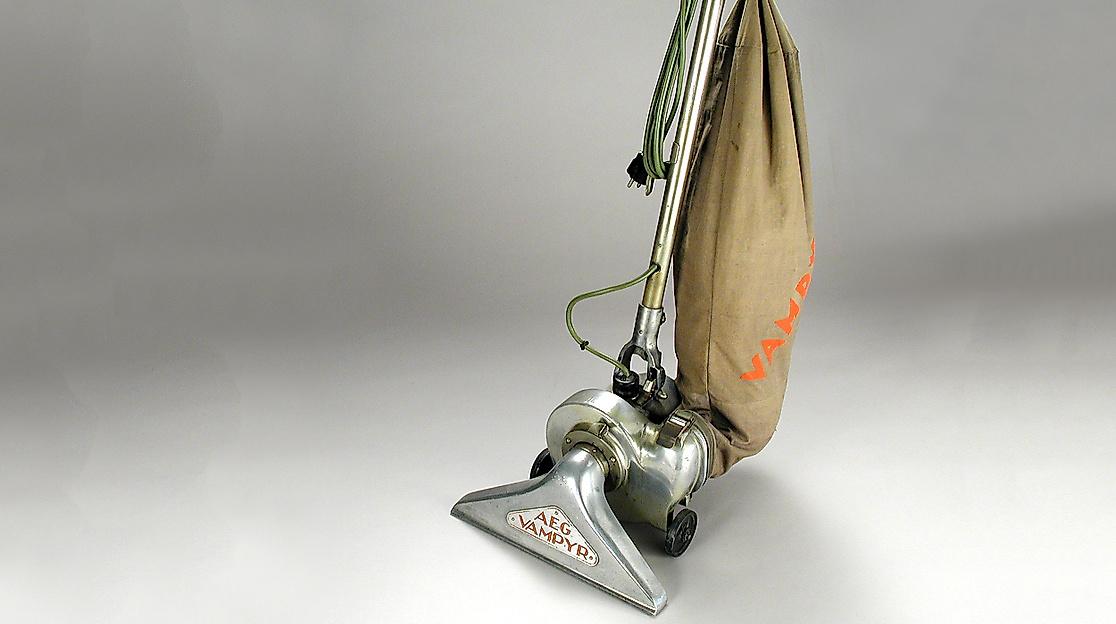
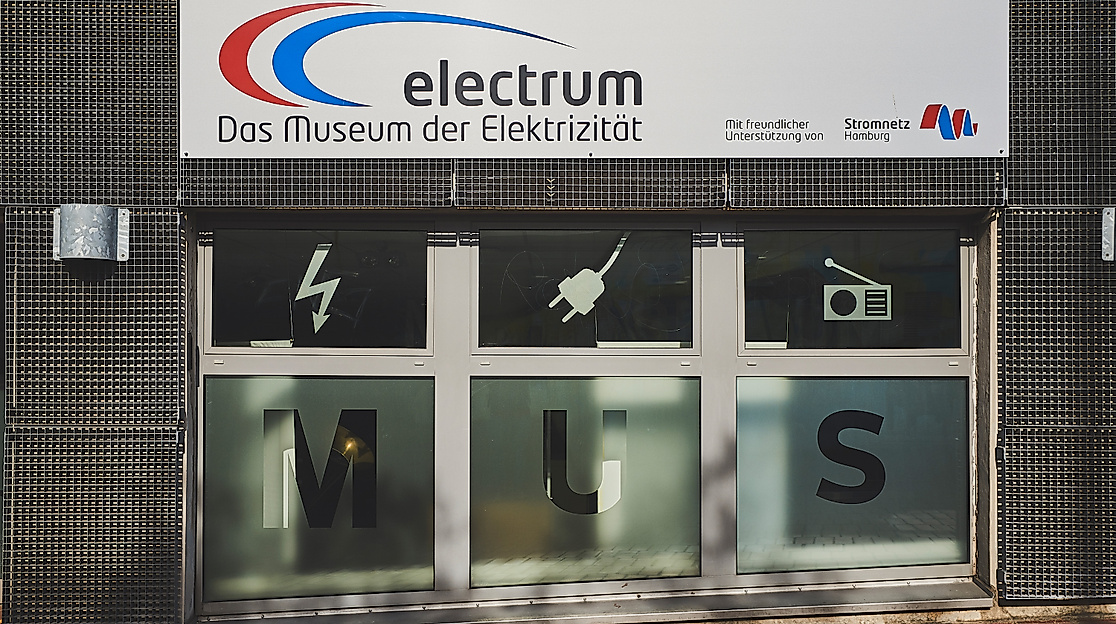
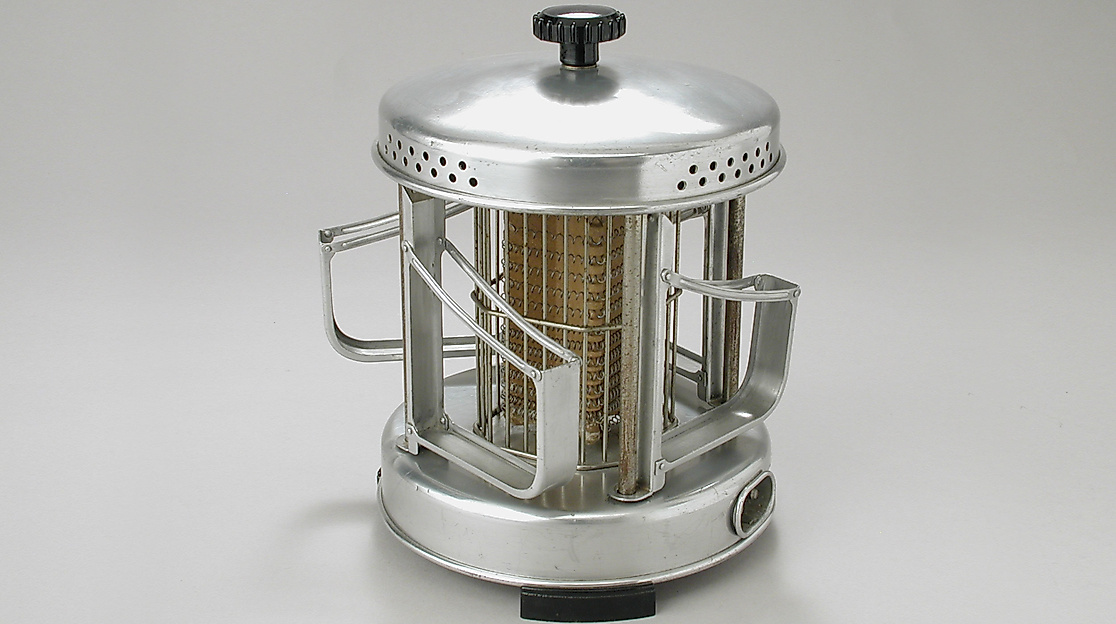
electrum - The Museum of Electricity Around one thousand electrical devices from this era can be admired in electrum.

  • © ThisIsJulia Photgraphy
  • © Electrum 2019
  • electrum-ortsempfaenger-c-electrum-web-2500x1500
    © electrum
  • © Electrum 2019
  • electrum-staubsauger-c-electrum-web-2500x1500
    © electrum
  • electrum_harburg_c-2018-thisisjulia-photography-1
    © ThisIsJulia Photgraphy
  • electrum-toaster-c-electrum-web-2500x1500
    © electrum

Here you can experience the electrified world of past generations and immerse yourself in the past with a variety of historical exhibits

The Electrum Museum offers a captivating journey through the lives of our ancestors - parents, grandparents, and great-grandparents - back to a time when electrical marvels such as toasters, vacuum cleaners, and radios first found their place in households.

History of electricity in Hamburg

The people of Hamburg made their first acquaintance with electricity as early as 1750, whenwhen daring individuals could experience the electrifying sensation of a showman's "electrifying machine" near the Millerntor for just a shilling.

It then took over a century before electricity was used industrially for the first time in the Hanseatic city. In 1873, the "Norddeutsche Affinerie" (today Aurubis) used a machine for electrolytic metal extraction, a milestone in the industrial application of electricity in Hamburg. In 1894, the "Hamburgische Electricitäts-Werke" was founded, which took over the power supply for the entire city area, another step towards an electrified future. In 1882, the first electric street lamps were installed on Hamburg's Rathausmarkt. Today, it is impossible to envision our everyday life without the indispensable presence of electrical energy.

Visit to the electrum Museum

The electrum brings this impressive history of electricity in Hamburg back to life. Here, you can explore toasters, vacuum cleaners, radios, televisions, and various other household appliances from eras past, along with artifacts and tools closely intertwined with the history of the current power distribution network operator, "Stromnetz Hamburg GmbH.
More on this subject

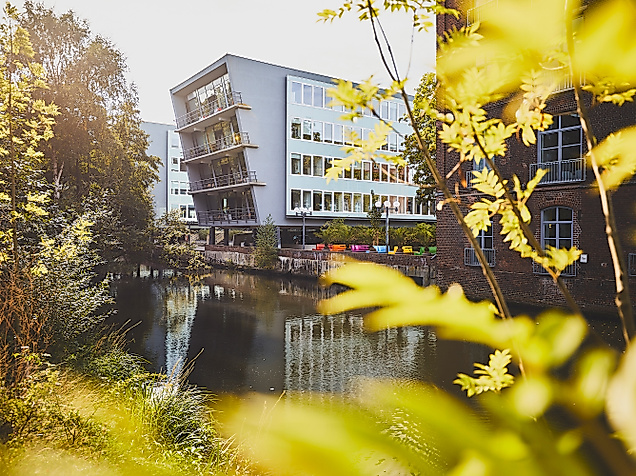
Harburger Theater am Kaufhauskanal in Hamburg, im Sonnenlicht durch Blätter mit Spiegelung im Wasser
© ThisIsJulia Photography

CITY AREA PORTRAIT Hamburg South

Around Harburg's inland harbour, historical and modern architectural styles merge. It's maybe even a bit like HafenCity. Finkenwerder, on the other hand, has the charm of a fishing village. – Here, you see a quite different, almost rural side of Hamburg. Harburg and Finkenwerder are also good starting points for discovering the Hamburg metropolitan area.

Hamburg South

THIS MIGHT INTEREST YOU AS WELL Further recommendations

deutsches-zollmuseum_c-2018-thisisjulia-photography-1
© ThisIsJulia Photgraphy

German Customs Museum

Located in the historic Speicherstadt warehouse district, the German Customs Museum invites its guests a vivid and lively insight into the world of those who have been collecting and the German Customs Museum invites visitors to learn about the world of those who collect customs duties from ancient times to the present day and those who prefer to smuggle.

German Customs Museum
Freilichtmuseum Rieck Haus
© Bergedorfer Museumslandschaft

One of the oldest farm houses in North Germany exhibits the culture and history of the Vierlande area. Open Air Museum Rieck Haus

Anyone interested in the historical areas of Hamburg should not shy away from visiting the Rieck Haus Open Air Museum and the Bergedorf Museum.

Open Air Museum Rieck Haus
museum-der-illusionen-c-museum-der-illusionen-3-web-2500x1500
© Museum der Illusionen

You won't believe your eyes. Museum of Illusions

Optical illusions, upside-down rooms, holograms and much more await you in the Museum of Illusions Hamburg. Step into a fascinating world of illusions!

Museum of Illusions

Top customer reviews

5.0 of 5 (1 review)

Write new rating

This is your text

Your rating *

Languages

Google translator for other languages

Please note that this is an automatic translation.
For better information, you can always switch to the German or English version