Willkomm-Höft

  • lee_maas_timo_sommer_elbvororte_wilkommenhoeft_3000px_argb_188
    © Lee Maas, Timo Sommer

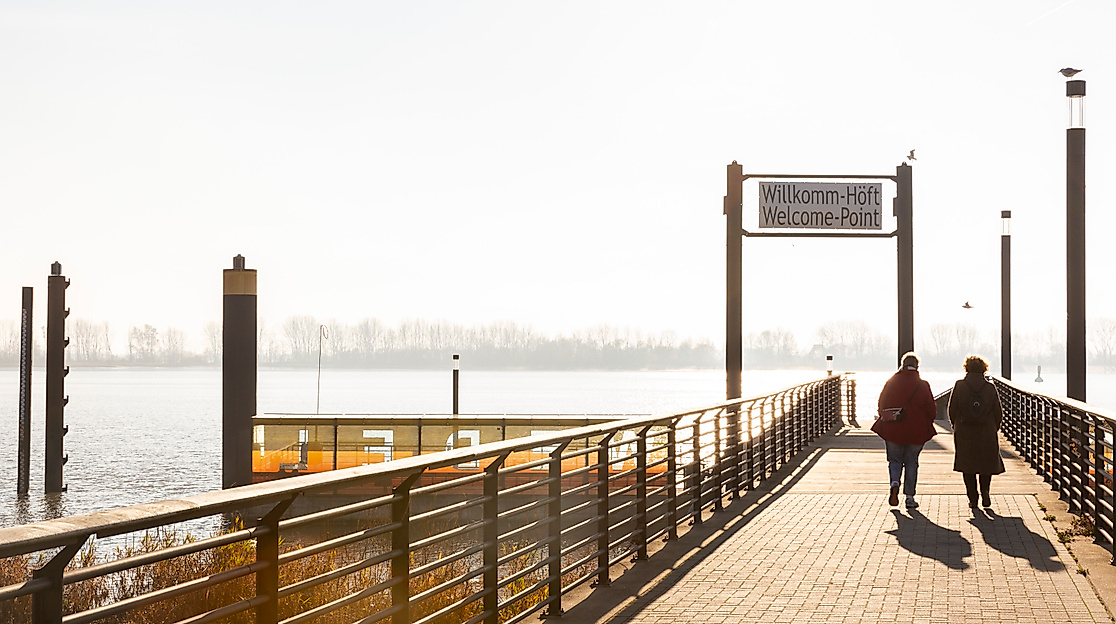
World-famous ship welcoming point. Every day from sunrise to sunset (8.00am to 8.00pm in the summer) all ships of at least 500 GRT arriving in and leaving the port are greeted.

World-famous ship welcoming point. Every day from sunrise to sunset (8.00am to 8.00pm in the summer) all ships of at least 500 GRT arriving in and leaving the port are greeted. The Hamburg flag is dipped and the national anthem of the ship concerned is played along with a short welcome message in the appropriate national language. Visitors are given more information on the cargo, route and facts about the ship while relaxing in the café and restaurant of the Schulauer Fährhaus, where ships can be seen arriving and leaving.

More on this subject

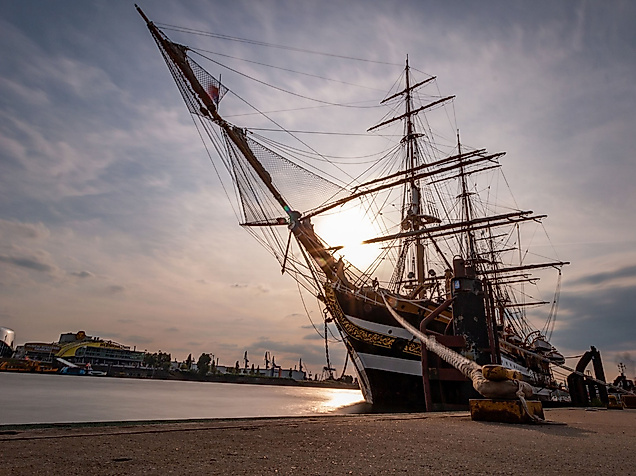
Rickmer Rickmers am Hamburger Hafen
© Karsten Bergmann auf Pixabay

Where to watch ships

In Hamburg, the best and most well-known ocean liners in the world regularly enter and leave the harbour, which makes Hamburg a popular place for ship-spotters - 12 months out of the year.

Blog
Where to watch ships

THIS MIGHT INTEREST YOU AS WELL Further recommendations

Hamburger Hafen
© ThisIsJulia Photography

Port of Hamburg

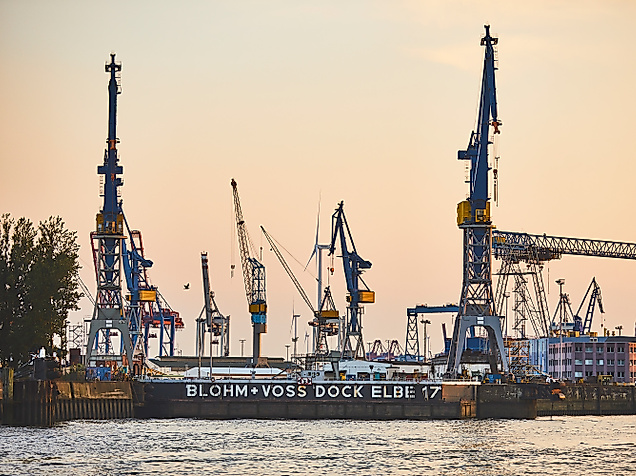
About 8,000 ships from all over the world call at Europe's second largest port. From Hamburgs cruise ship terminal to the historic Speicherstadt and the jetties to the modern container port - it smells like freedom and distant countries here.

Port of Hamburg
Tierpark Hagenbeck
© Lutz Schnier

Hamburg's animalistic original Tierpark Hagenbeck

There are many highlights for young and old in Europe's nicest private zoo: a total of 1850 animals in large open-air spaces, an elephant house, an extensive orang-utan enclosure, the tropical aquarium and the new "Eismeer".

Tierpark Hagenbeck
st-nikolai_c-2018-thisisjulia-photography-2
© ThisIsJulia Photography

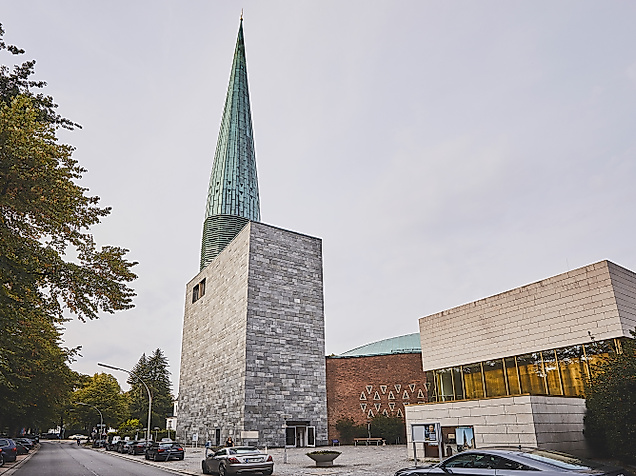
The main church at Klosterstern. Hauptkirche St. Nikolai am Klosterstern

The new building was erected from 1846 to 1874 in the neo-Gothic style to designs by the English architect Gilbert Scott and was destroyed by the bombings during the Second World War in 1943; the ruins were demolished in 1951.

Unlike the other principal churches, after the war the parish of St. Nikolai decided in 1956 against rebuilding the church on the Hopfenmarkt and instead dared a new beginning at the Klosterstern in Harvestehude, a densely populated district of the city. The new church on Klosterstern (Harvestehuder Weg 118) was built according to designs by Gerhard Langmaak and was dedicated in 1962.
Considered as both a special feature and attraction is the altar mosaic based on a design by Oskar Kokoschka, as well as the Coester window from 1939.
The former location of the main church of St. Nikolai with the 147-metre church tower – the third highest in Germany – is a ruin worth seeing on Hopfenmarkt and is considered a memorial and as a place for exhibitions and events.


Hauptkirche St. Nikolai am Klosterstern

Languages

Google translator for other languages

Please note that this is an automatic translation.
For better information, you can always switch to the German or English version