The shipwrecks of Blankenese

  • © Jürgen Nerger
  • © Karsten Bergmann auf Pixabay
  • © Jürgen Nerger
  • © Jürgen Nerger
  • © Jürgen Nerger
  • © Jürgen Nerger

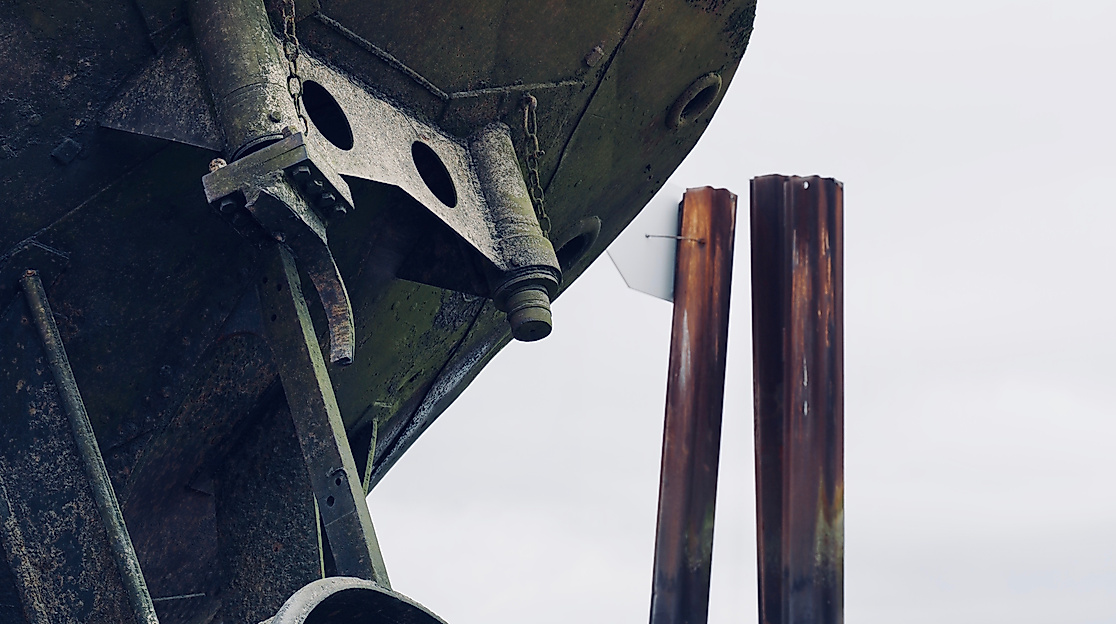
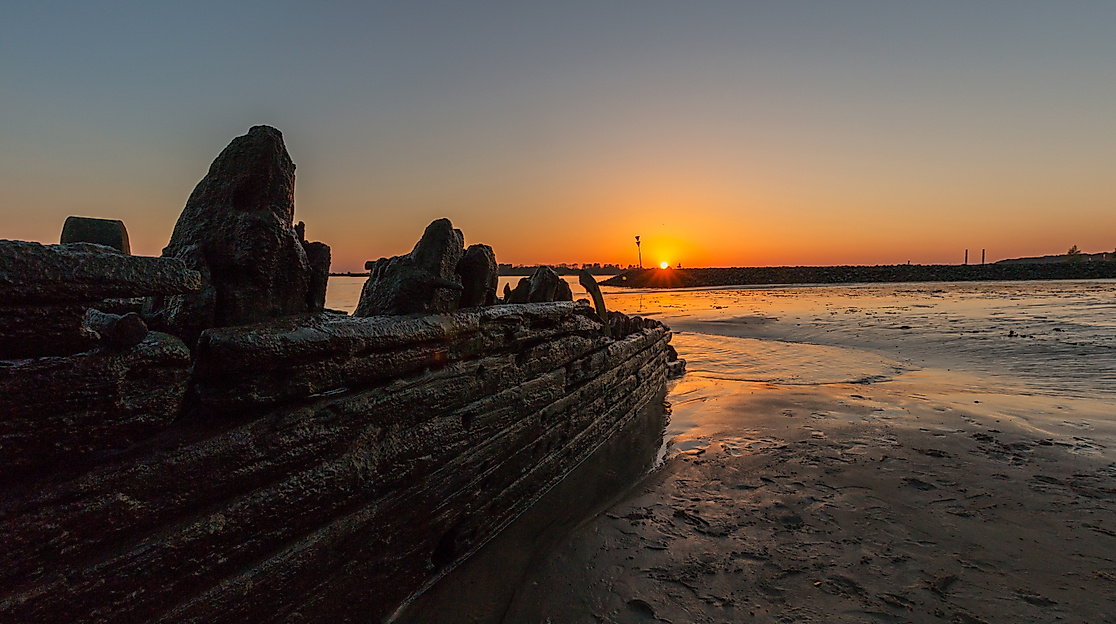
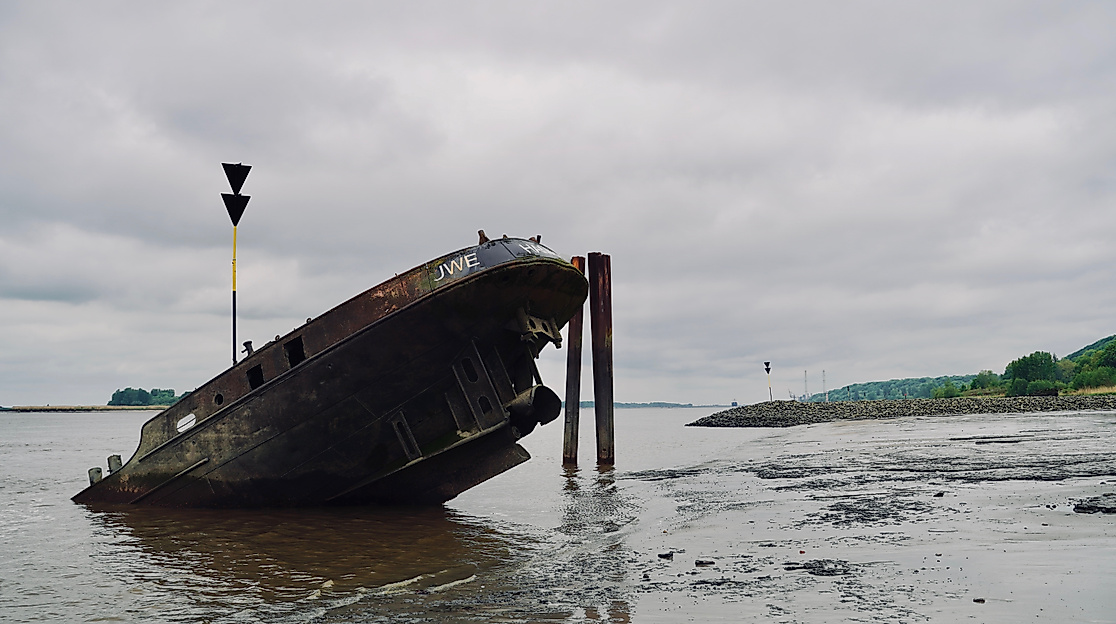
The shipwrecks of Blankenese make the Falkensteiner Ufer a very special place.

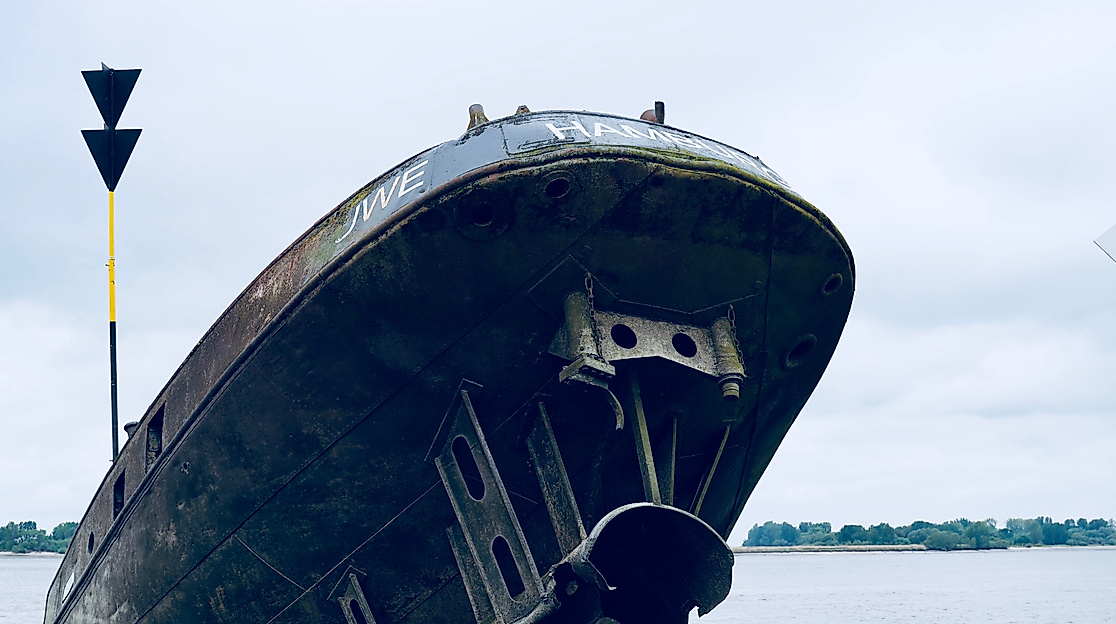
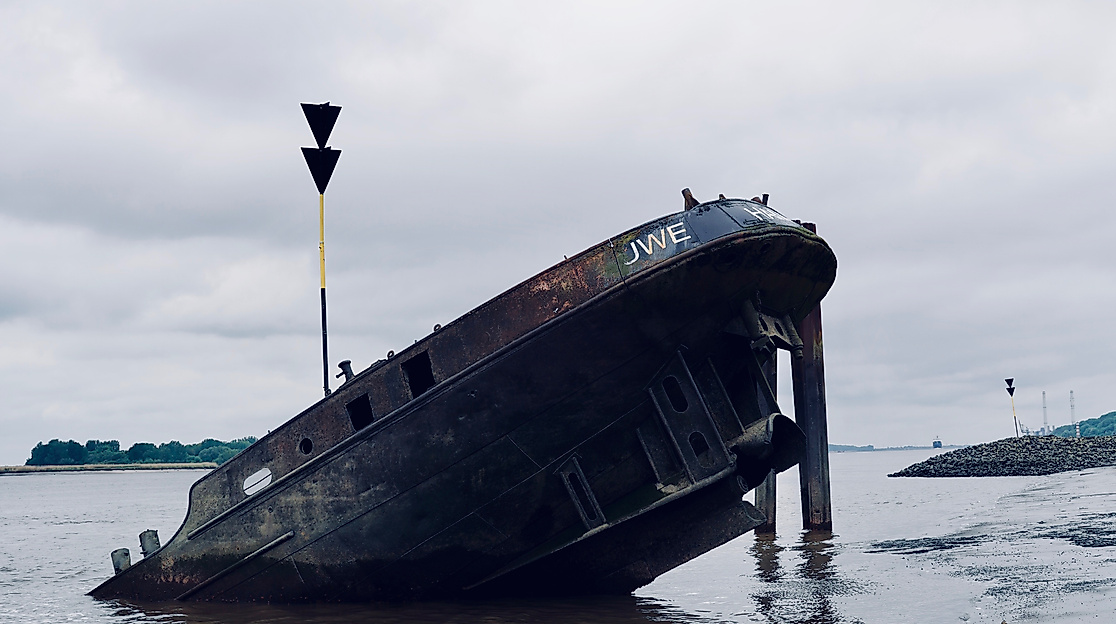
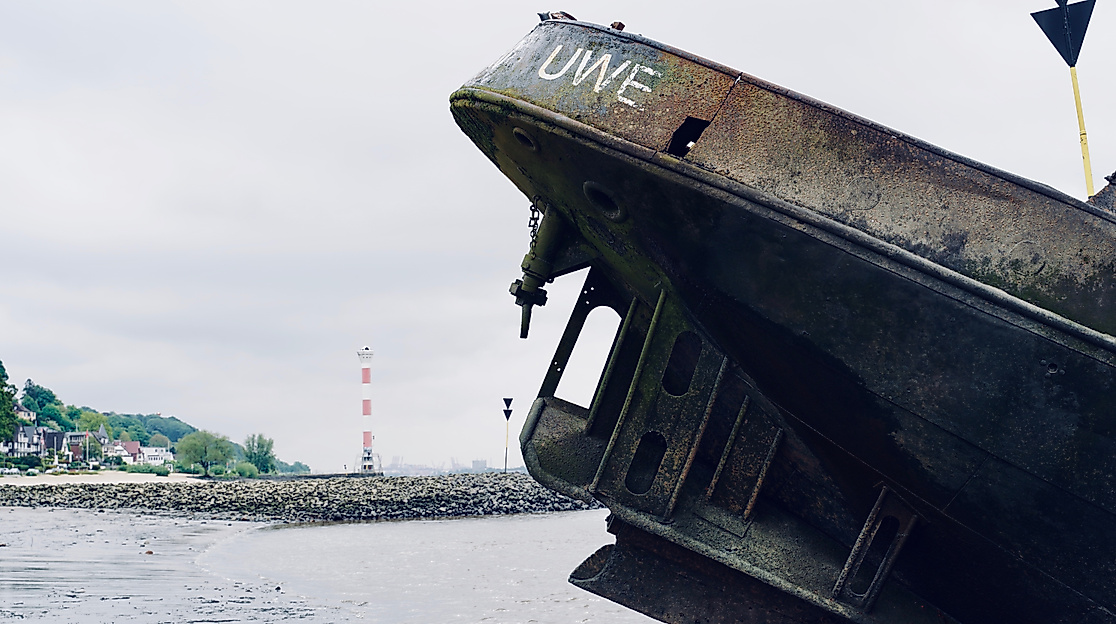
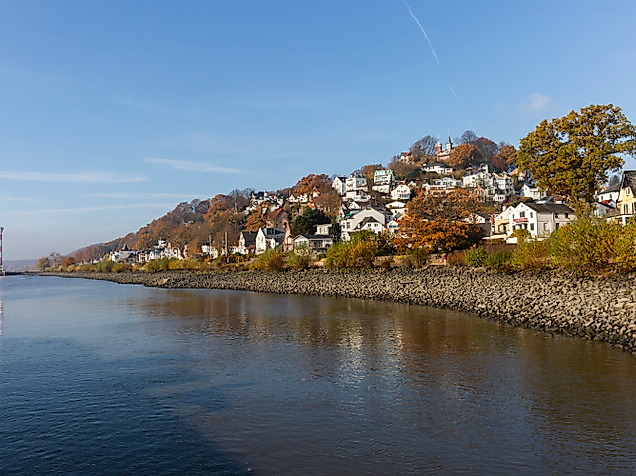
Especially at low tide you can see them well: The shipwrecks of Blankenese make the Falkensteiner Ufer a very special place. They rise mystically and bizarrely out of the water and remind us of days gone by in the Hanseatic city.  Today the wrecks serve as breakwaters to protect the shore and for many Hamburgers belong to the Hanseatic city like the Michel and the Reeperbahn. You can see the shipwrecks of Blankenese particularly well when you walk along the beach path towards the Falkensteiner Ufer directly along the Elbe at low tide.

Die „Polstjernan“ – a wooden wreck over 90 years old

The oldest shipwreck on Falkensteiner Ufer is the Finnish schooner and later motor sailer "Polstjernan". The ship caught fire on 20 October 1926 on its way to England in today's Kiel Canal. The ship, loaded with wood, was ablaze in flames within a few moments and could no longer be extinguished. The "Polstjernan" was finally towed by tugs from a Blankeneser salvage company to the Falkensteiner Ufer, where the remains can still be seen between the groynes at low tide.

The barge "Uwe" - probably the most famous shipwreck on the Elbe river

The "Uwe" capsized in dense fog on 19 December 1975 in a particularly unfortunate way: The freighter "Wiedau" collided first with the Polish freighter "Mieczyslaw Kalinowski", was turned by the collision into the course of the "Uwe" and divided the inland vessel in the middle. Two crew members were killed. The captain of the "Uwe" and 16 members rescued themselves to the pier Wittenbergen. The ship was towed to the Falkensteiner shore, where the foredeck protrudes from the Elbe at low tide.

Caution required on the Elbe beach

Please note: As with all beaches along the Elbe in the Hamburg city area, sunbathing is permitted here, but swimming in the Elbe is extremely dangerous. There are invisible, steep drop-offs underwater. The current is also very strong and often cannot be seen below the surface of the water. Heavy shipping traffic causes dangerous suction currents and waves.
More on this subject

Herbstlicher Blick auf das Treppenviertel in Hamburg-Blankenese mit Elbufer und Leuchtturm
© Lee Maas / Timo Sommer

CITY AREA PORTRAIT Blankenese & Elbe outskirts

The former fishing and seamen's village of Blankenese is situated directly on the Elbe. It is the perfect starting point for hopping on a sailing boat or on the Elbe ferry, or for taking long walks along the shore. Another highlight is a visit to the Treppenviertel (German for staircase quartier) with a spectacular view of the lighthouse and the Falkenstein shore.

Blankenese & Elbe outskirts

THIS MIGHT INTEREST YOU AS WELL Further recommendations

panthermedia_B491618746_5464x3640_c_Bildagentur_PantherMedia_Canetti-1
© Bildagentur PantherMedia Canetti

World renowned concert hall and city emblem Elbphilharmonie

Hamburg has a new cultural landmark! The Elbphilharmonie Concert Hall represents an unprecedented synthesis of the arts - architecture, music and the unique location in the middle of the Hamburg harbour. More than 2.6 million guests have already attended over 1,000 concerts!

Elbphilharmonie
binnenalster_fernsehturm_c-2018-thisisjulia-photography
© ThisIsJulia Photography

Hamburgs "Tele-Michel" Television Tower

Outstanding! You can see him from every corner of the city: Hamburg's television tower, or as the inhabitants affectionately call it, the "Tele-Michel". The television tower is one of Hamburg's landmarks and today only serves as a radio tower.

Television Tower
dockland_c-2018-thisisjulia-photography-3
© ThisIsJulia Photography

Dockland

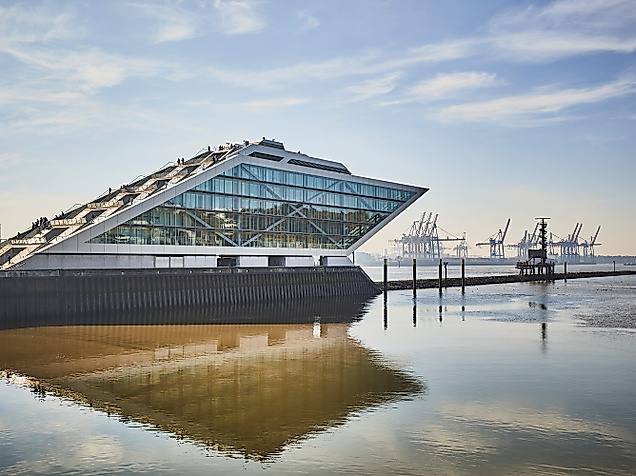
A few years ago, a particularly prominent office building was built at the Fischereihafen with DOCKLAND.

Dockland

Top customer reviews

No reviews available.

Write new rating

This is your text

Your rating *

Languages

Google translator for other languages

Please note that this is an automatic translation.
For better information, you can always switch to the German or English version