



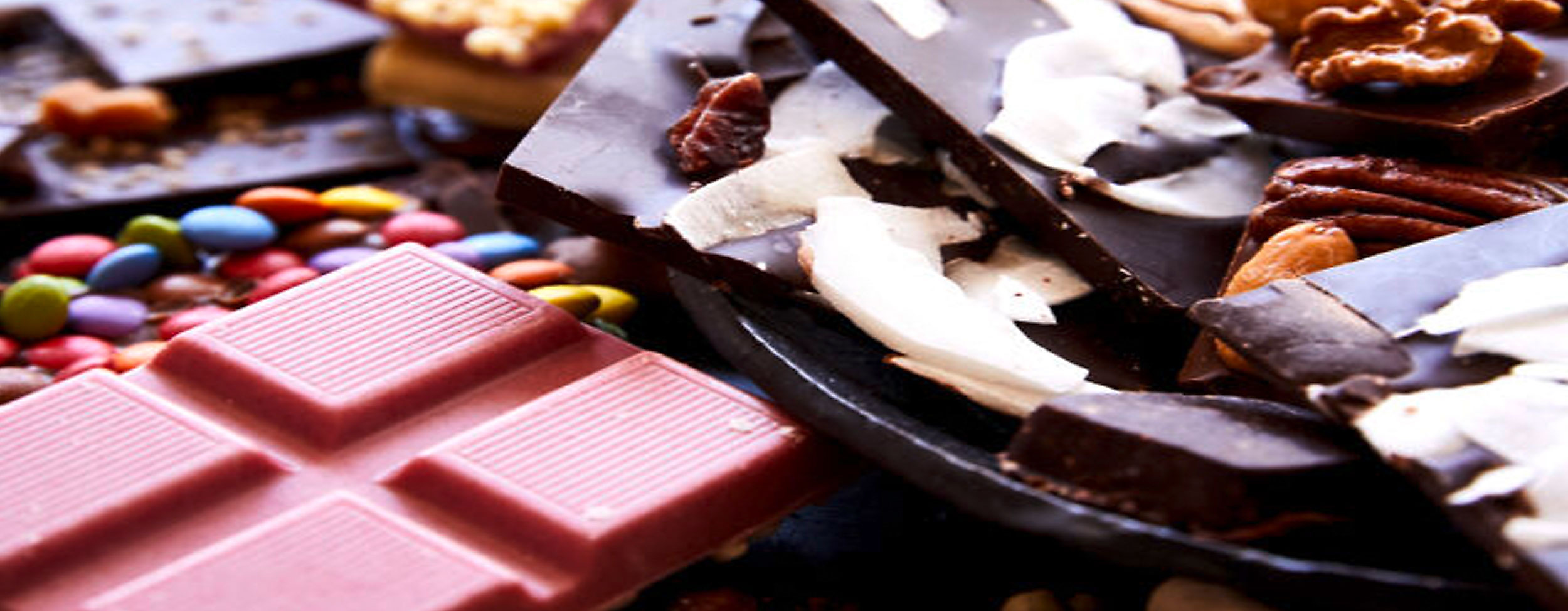

poi-chocoversum-brunnen-c-morris-mac-matzen-web-2500x1500
© Morris Mac Matzen
poi-chocoversum-brunnen-c-christian-perl-web-2500x1500
© Christian Perl
poi-chocoversum-schokowerkstatt-c-alfred-brandl-web-2500x1500
© Alfred Brandl
poi-chocoversum-schokowerkstatt-c-morris-mac-matzen-web-2500x1500
© Morris Mac Matzen
poi-chocoversum-tropen-frucht_c_christian_perl_web2500x1500
© Christian Perl
CHOCOVERSUM-c-Christian-Perl-web-2-2500x1500
© Christian Perl
CHOCOVERSUM--c-Lea-Aring-web-1-2500x1500
© Lea Aring
CHOCOVERSUM-c-Christian-Perl-web-1-2500x1500
© Christian Perl

Chocoversum

Permanent exhibition and gift shop focussing on the phenomenon that is chocolate.

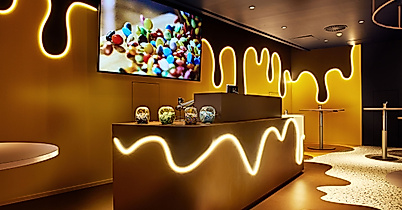
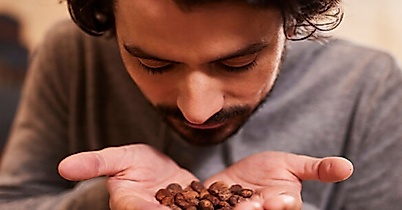
Between the UNESCO World Heritage Speicherstadt and the Old Town, visitors discover Hamburg’s sweetest side: at the CHOCOVERSUM, chocolate becomes an experience – from the scent of the cocoa bean to a bar they create themselves.

From the moment you enter, a tempting aroma fills the air. At CHOCOVERSUM, Hamburg’s interactive chocolate museum, everything revolves around the sweetest temptation in the world. Here, it’s not just about learning how chocolate is made – you get to experience it up close.

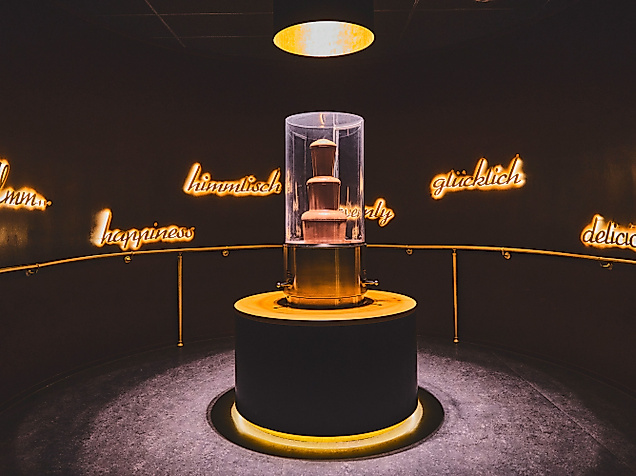
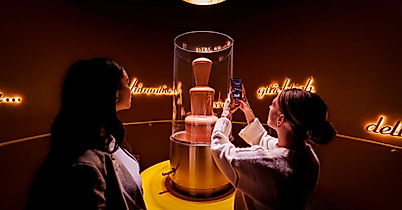
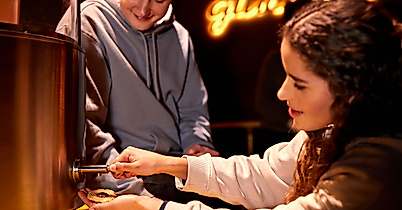
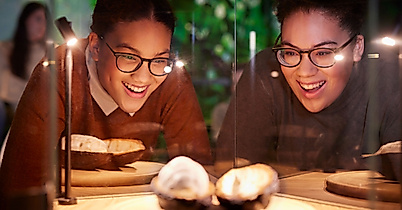
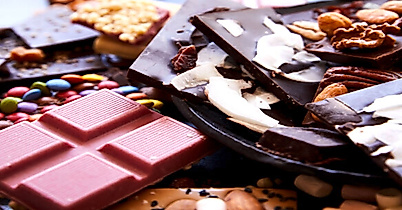
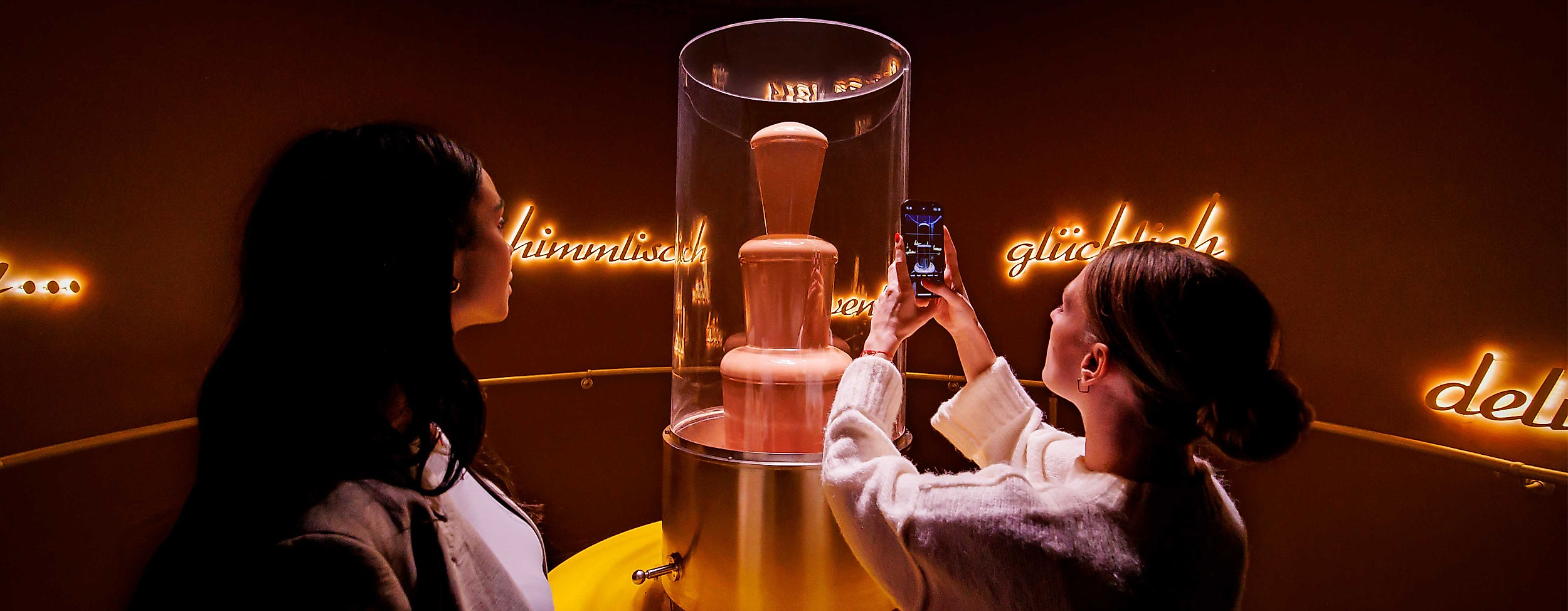
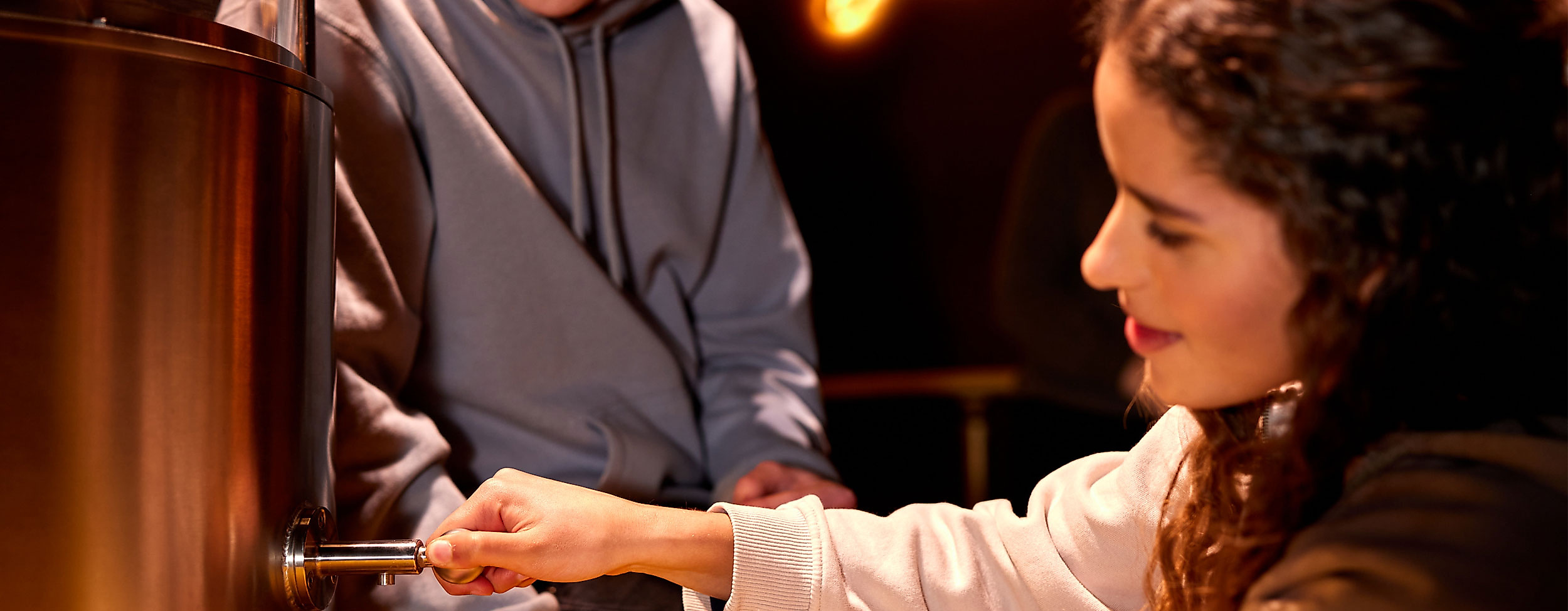
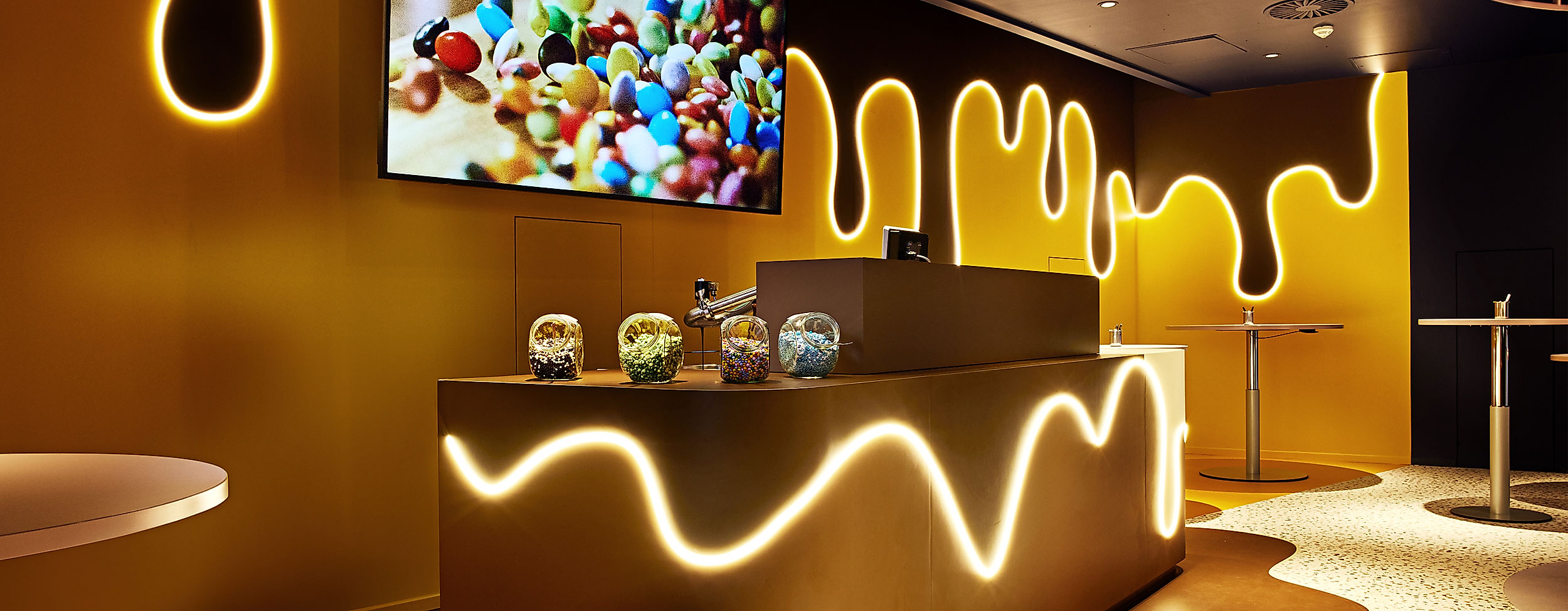
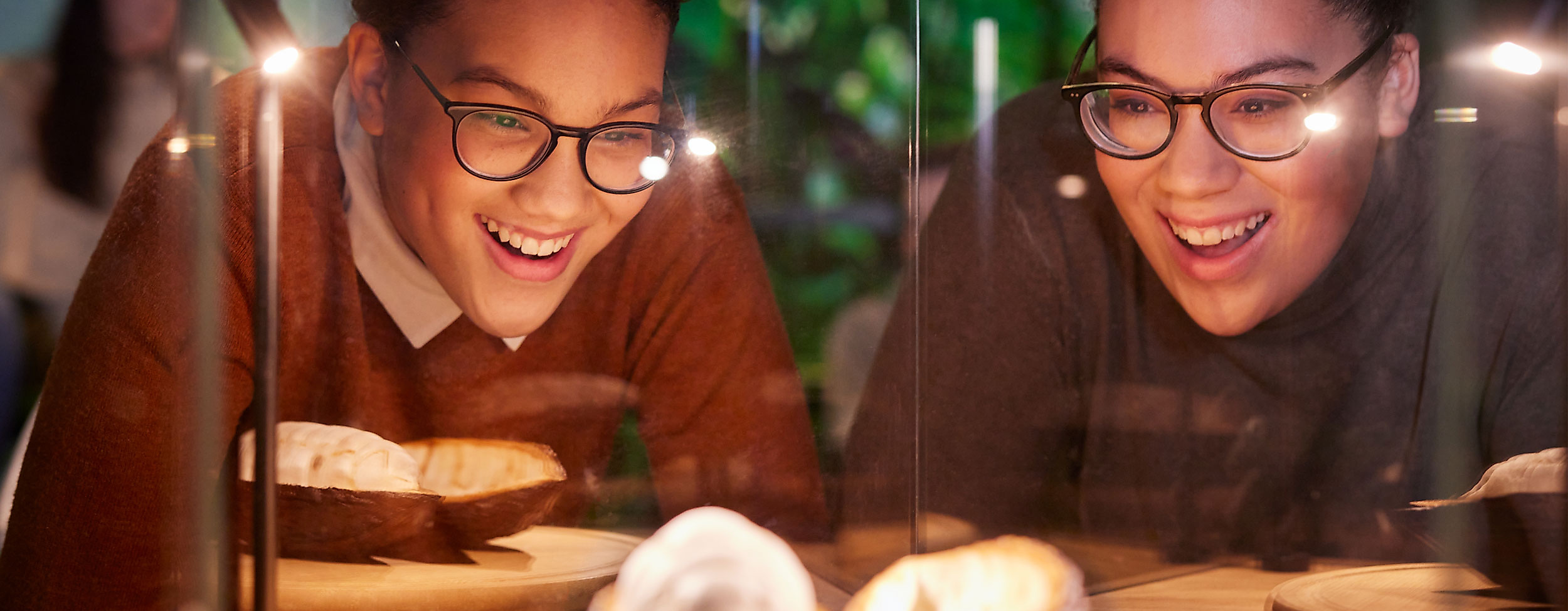
The 90-minute guided tour takes you through every step of chocolate production – from the cocoa tree and roasting process to the finished bar. A true highlight is the chocolate workshop, where visitors can create their very own bar. And of course, tasting is encouraged along the way – whether at the chocolate fountain or during a sensory tasting. Knowledgeable guides share fascinating stories about the origin, variety, and sustainability of cocoa.

Located in the heart of Hamburg’s Old Town, just steps from the UNESCO World Heritage Speicherstadt, Chocoversum is the perfect destination for anyone wanting to discover Hamburg in a truly delicious way. If you’re craving more, the museum shop offers a wide selection of unique chocolate products, many of them locally sourced.

Tip for the surrounding area: a stroll through the Kontorhaus District, a visit to the Dialoghaus Hamburg, or a coffee break at the Café Fleetschlösschen make perfect additions to your outing.

Who is it for? Chocoversum is an experience for anyone who loves chocolate – whether it’s a family trip, a creative break with friends, or a tasty stop on a city trip.
from 12.90 €

Hamburg CARD

Free travel on buses, trains and harbour ferries (HVV) and up to 50% discount on over 150 tourist offers

Buy the Hamburg CARD now
Hamburg CARD reduced
Teaser_Chocoversum_Schokobrunnen
© Dietrich Kühne

Admission to the CHOCOVERSUM

  • From cocoa tree to the chocolate bar
  • Creating your own chocolate bar
  • Tasting of every production step!
Admission to the CHOCOVERSUMTo offerfrom 29.00 €

More on this subject

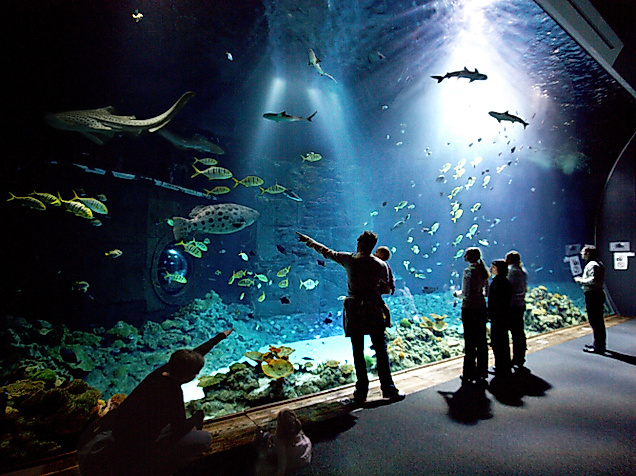
Besuchergruppe vor dem Hai-Atoll im Tropen-Aquarium Hagenbeck mit Blick auf schwimmende Haie und Fische
© Tierpark Hagenbeck

Must Sees, Activity, Mysterious Places Hamburg Adventures

Hamburg, Germany’s very own maritime metropolis, offers its visitors a fantastic stay, featuring some of the most famous, most exciting and craziest experiences imaginable.

Hamburg Adventures
Beleuchteter Schokobrunnen im dunklen Ausstellungsraum des Chocoversums Hamburg, zentral in Szene gesetzt
© ThisIsJulia Photography

Everything but ordinary! Exceptional Museums

Unusual museum experiences that you can only make in Hamburg.

Blog
Exceptional Museums
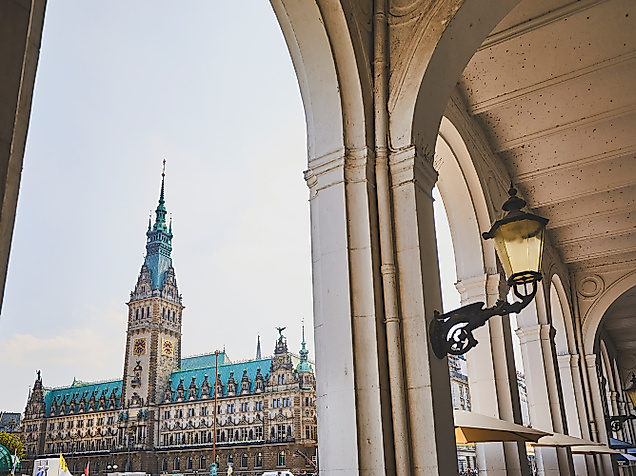
Blick durch die Alsterarkaden auf das Hamburger Rathaus mit markantem Turm
© ThisIsJulia Photography

CITY AREA PORTRAIT Alt- & Neustadt

The historic core of the Altstadt (German for Old Town) district is shaped by traditional buildings such as the Hamburg city hall and the chamber of commerce, the alleyways and bridges which stretch out all the way to the HafenCity district. In the Neustadt district district between Laeiszhalle and Jungfernstieg with elegant promenades, fashion stores and gallery owners – overlooking the Alster.

Alt- & Neustadt

THIS MIGHT INTEREST YOU AS WELL Further recommendations

St. Michaelis Kirche
© ThisIsJulia Photography

Hamburg Michel St. Michaelis Kirche

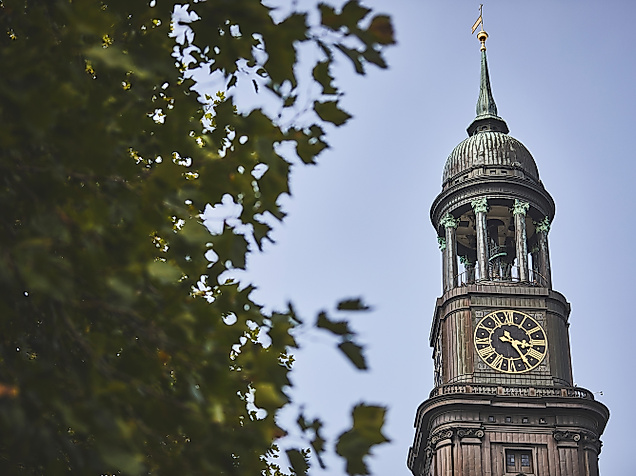
Hamburg has many large churches - but only one "Michel": On its platform 106 metres high, there is a fabulous (and breezy) view of Hamburg, the port and the surrounding countryside - one that should not be missed!

St. Michaelis Kirche
st-nikolai_c-2018-thisisjulia-photography-2
© ThisIsJulia Photography

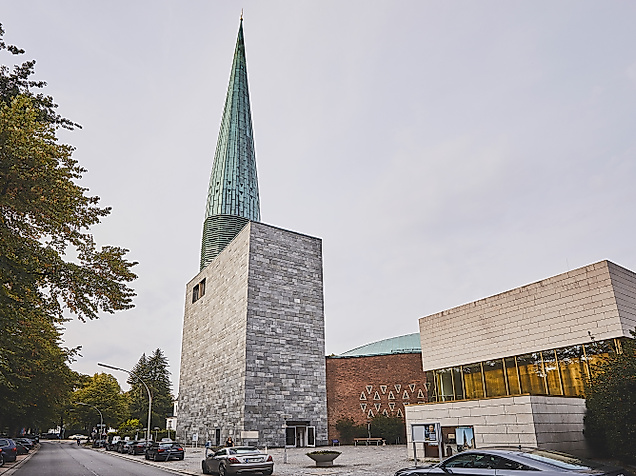
The main church at Klosterstern. Hauptkirche St. Nikolai am Klosterstern

The new building was erected from 1846 to 1874 in the neo-Gothic style to designs by the English architect Gilbert Scott and was destroyed by the bombings during the Second World War in 1943; the ruins were demolished in 1951.

Unlike the other principal churches, after the war the parish of St. Nikolai decided in 1956 against rebuilding the church on the Hopfenmarkt and instead dared a new beginning at the Klosterstern in Harvestehude, a densely populated district of the city. The new church on Klosterstern (Harvestehuder Weg 118) was built according to designs by Gerhard Langmaak and was dedicated in 1962.
Considered as both a special feature and attraction is the altar mosaic based on a design by Oskar Kokoschka, as well as the Coester window from 1939.
The former location of the main church of St. Nikolai with the 147-metre church tower – the third highest in Germany – is a ruin worth seeing on Hopfenmarkt and is considered a memorial and as a place for exhibitions and events.


Hauptkirche St. Nikolai am Klosterstern
st-petri_c-2018-thisisjulia-photography-1
© ThisIsJulia Photography

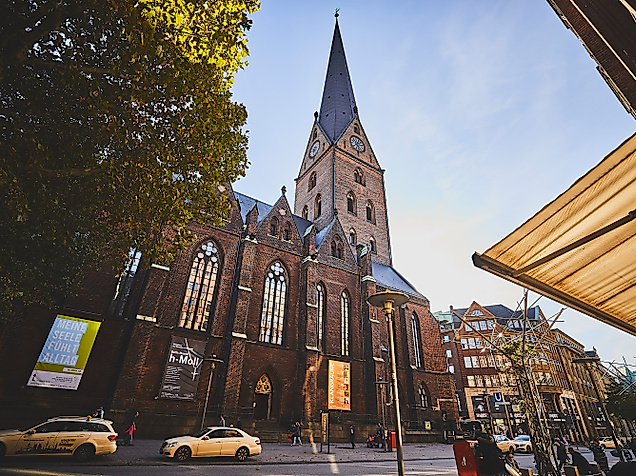
Hauptkirche St. Petri

It was probably founded at the beginning of the 11th century, but it was first documented in 1195 as a "market church". In around 1310/20, the construction of a triple naved, Gothic basilica was begun. With the construction of a second southern nave around 1418, the essential extension works had been completed.

A second tower completed in 1516 was even higher than the cathedral, and it set the standard for all later church tower constructions in Hamburg. In 1842 the church suffered from the Great Fire; luckily, most of the works of art could be saved. The medieval structure was re-dedicated as early as 1849, but with many alterations to the church building.


Hauptkirche St. Petri

Languages

Google translator for other languages

Please note that this is an automatic translation.
For better information, you can always switch to the German or English version