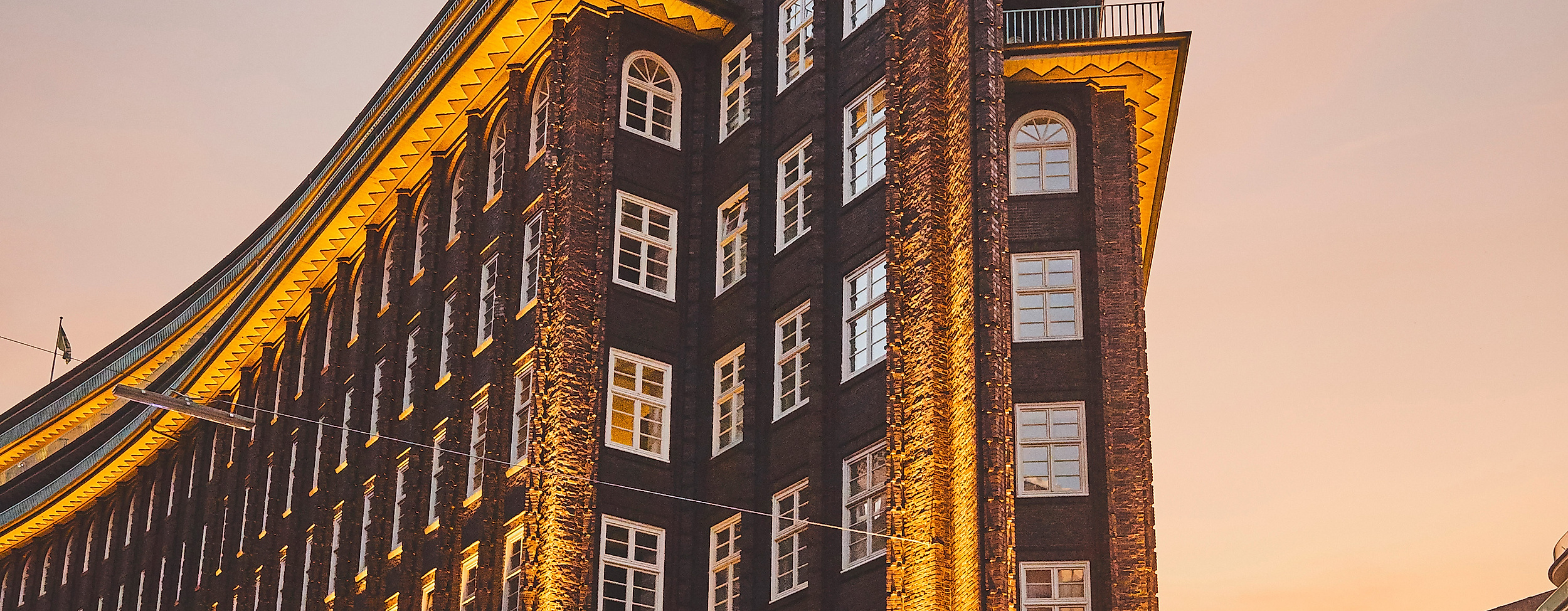
chilehaus-nachtaufnahme_c-2019-thisisjulia-photography-5
© ThisIsJulia Photography
chilehaus-nachtaufnahme_c-2019-thisisjulia-photography-6
© ThisIsJulia Photography
chilehaus_aussenaufnahme-detail_c-julia-schwendner-7
© ThisIsJulia Photography
chilehaus_aussenaufnahme_c-julia-schwendner-3
© ThisIsJulia Photography
chilehaus_aussenaufnahme_c-julia-schwendner-4
© ThisIsJulia Photography
chilehaus_aussenaufnahme_c-julia-schwendner-1
© ThisIsJulia Photography
chilehaus_aussenaufnahme_c-julia-schwendner-5
© ThisIsJulia Photography
chilehaus-nachtaufnahme_c-2019-thisisjulia-photography-19
© ThisIsJulia Photography
chilehaus-nachtaufnahme_c-2019-thisisjulia-photography-10
© ThisIsJulia Photography

Chilehaus

Architectural Icon with a Ship's Bow Silhouette

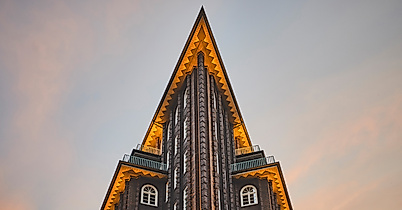
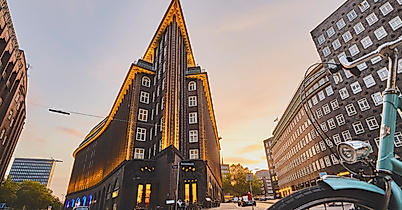
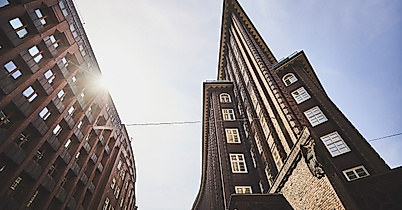
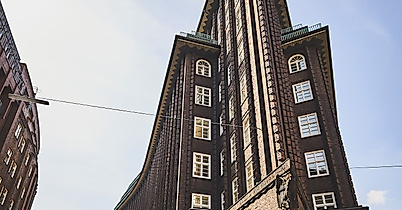
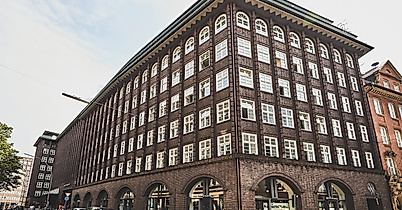
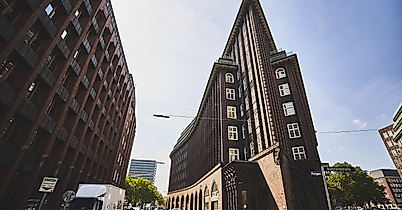
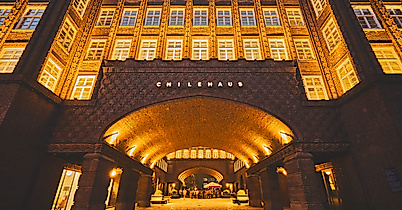
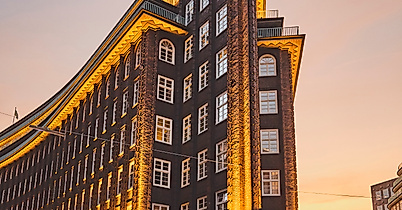
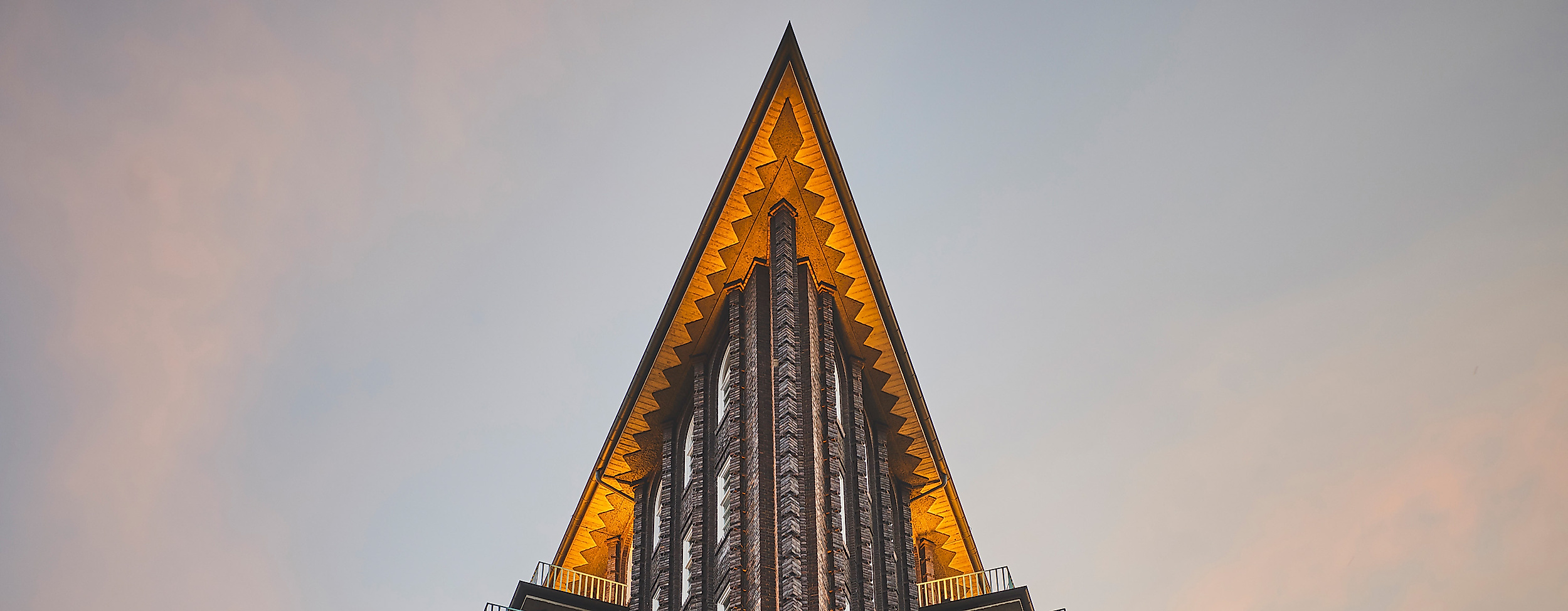
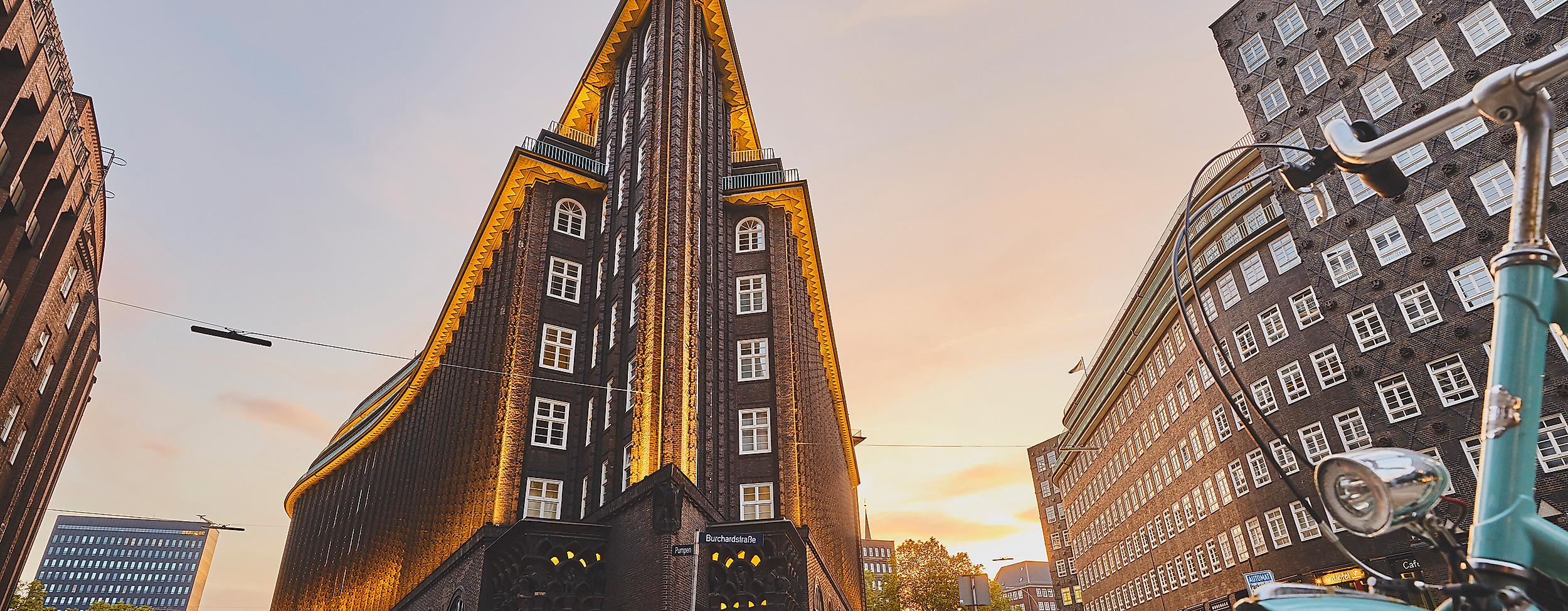
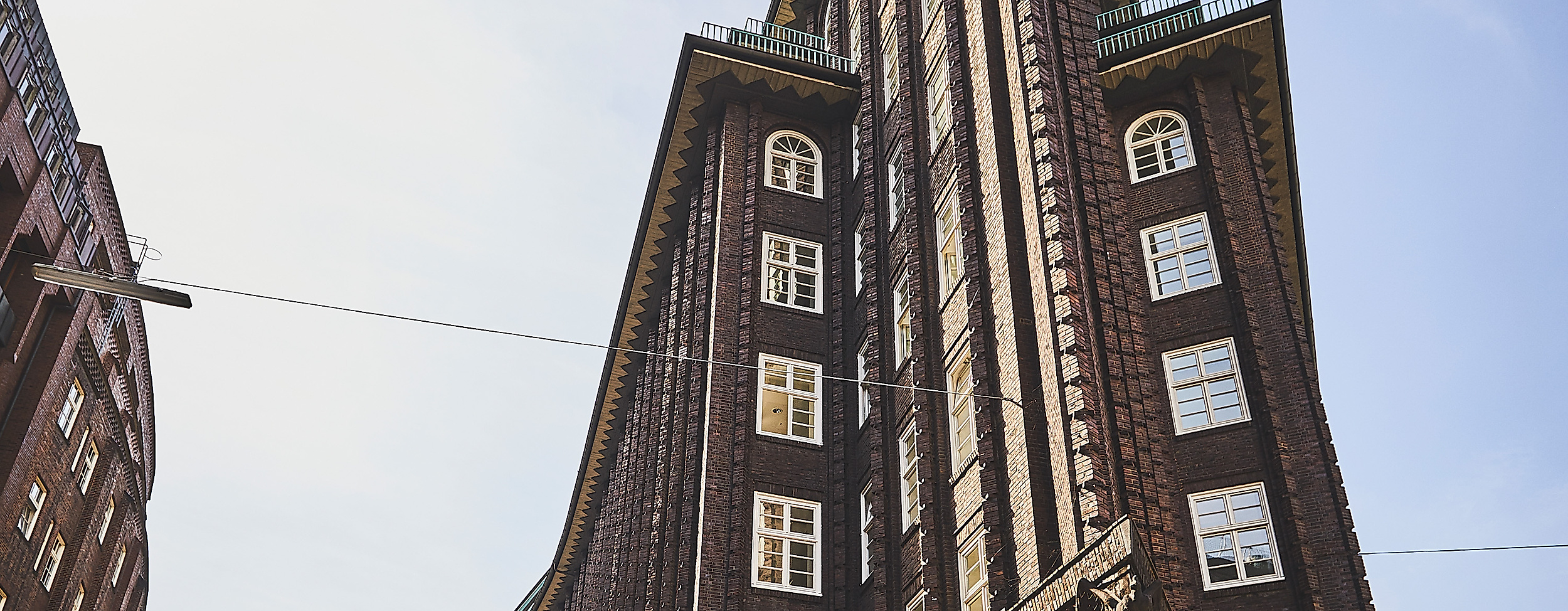
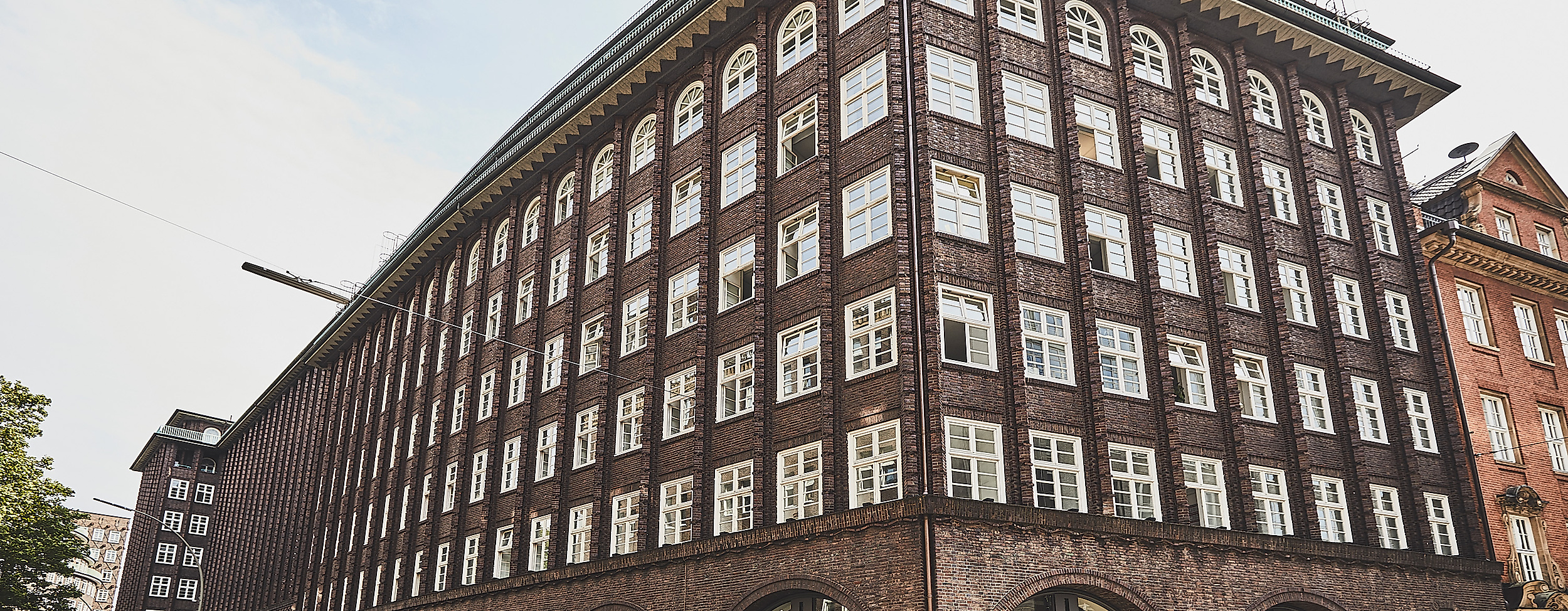
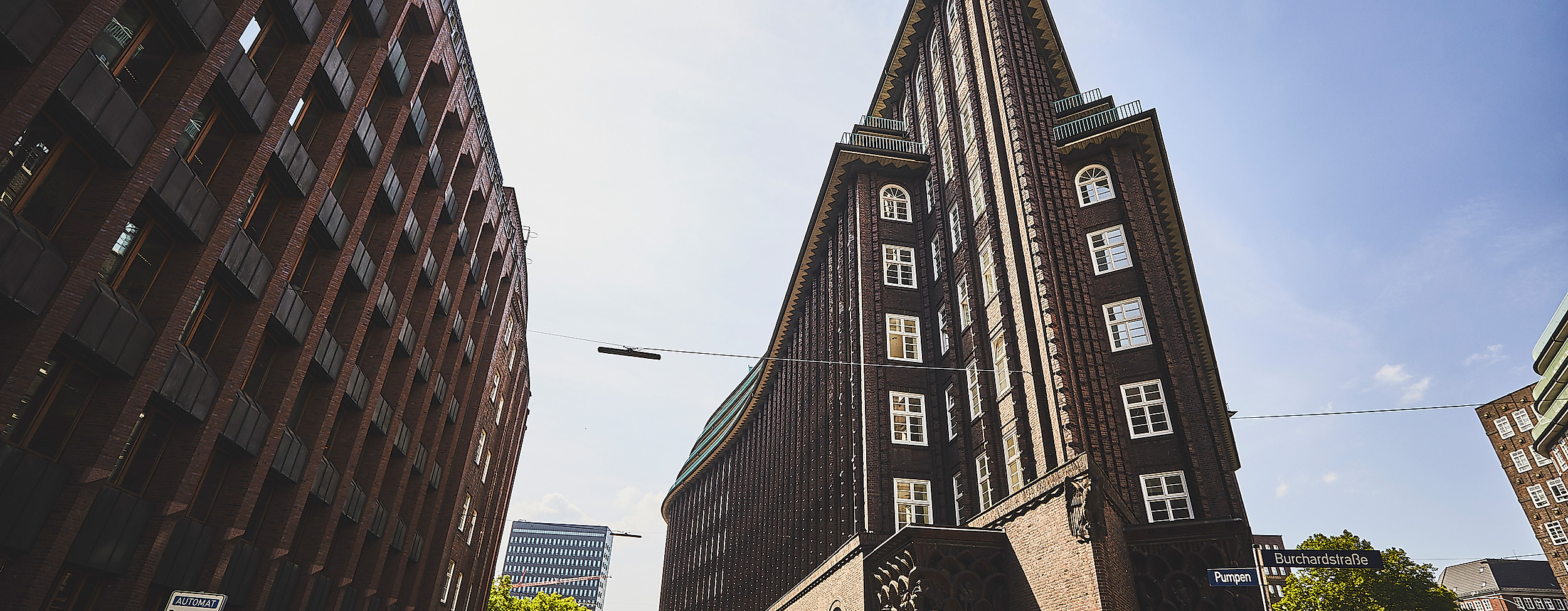
Like the bow of a ship, the pointed tip of the Chilehaus juts out into the street – a defining example of 1920s architecture in Hamburg. This listed office building in the Kontorhaus District is one of the city's most famous structures and has been a UNESCO World Heritage Site since 2015. Anyone strolling through the old town will inevitably come across this striking brick building – and a living piece of urban history.

Tactile Brickwork, Architectural Language and History

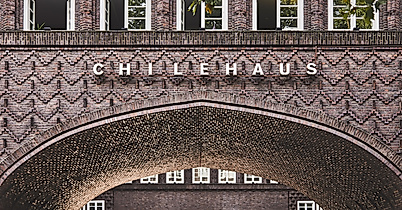
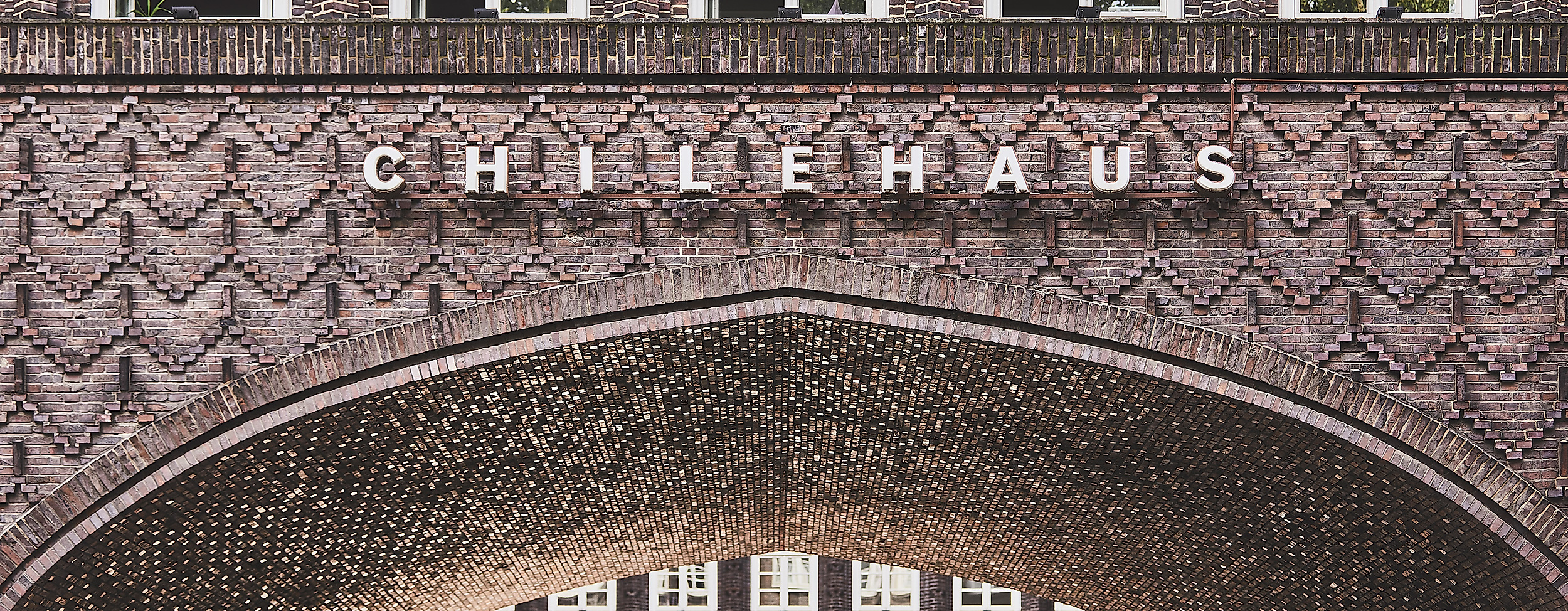
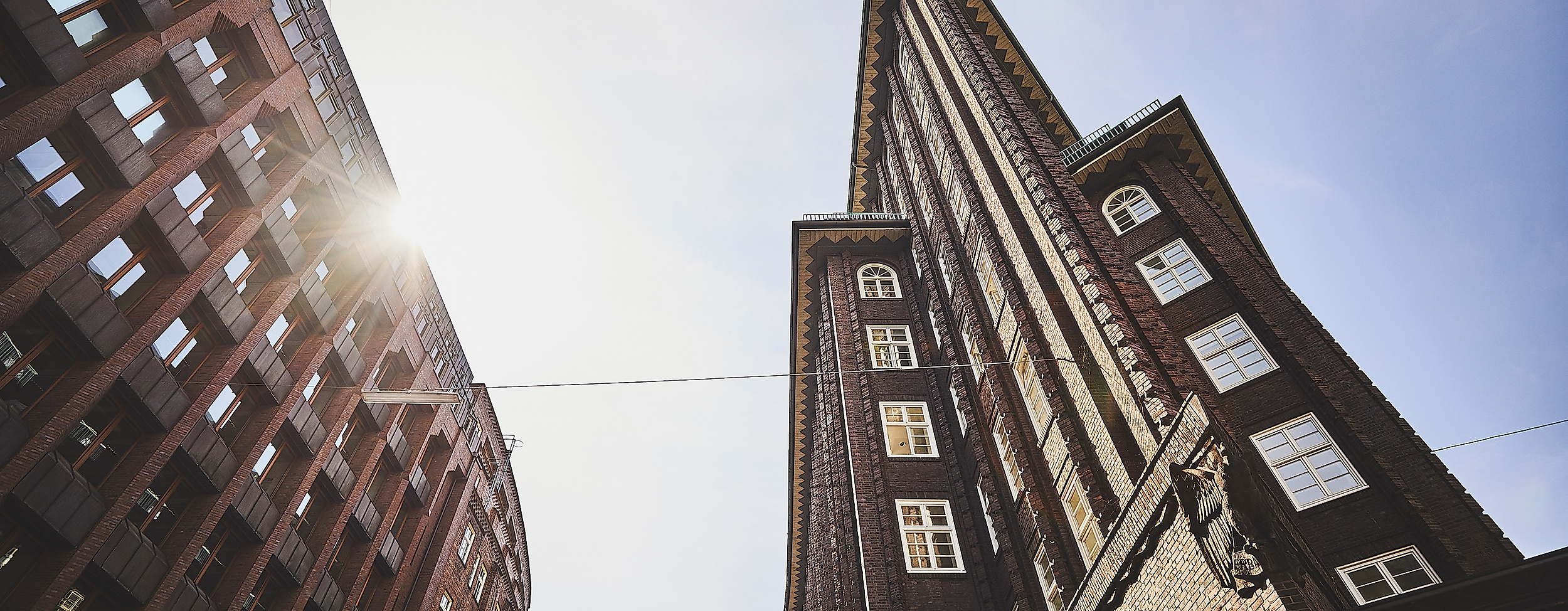
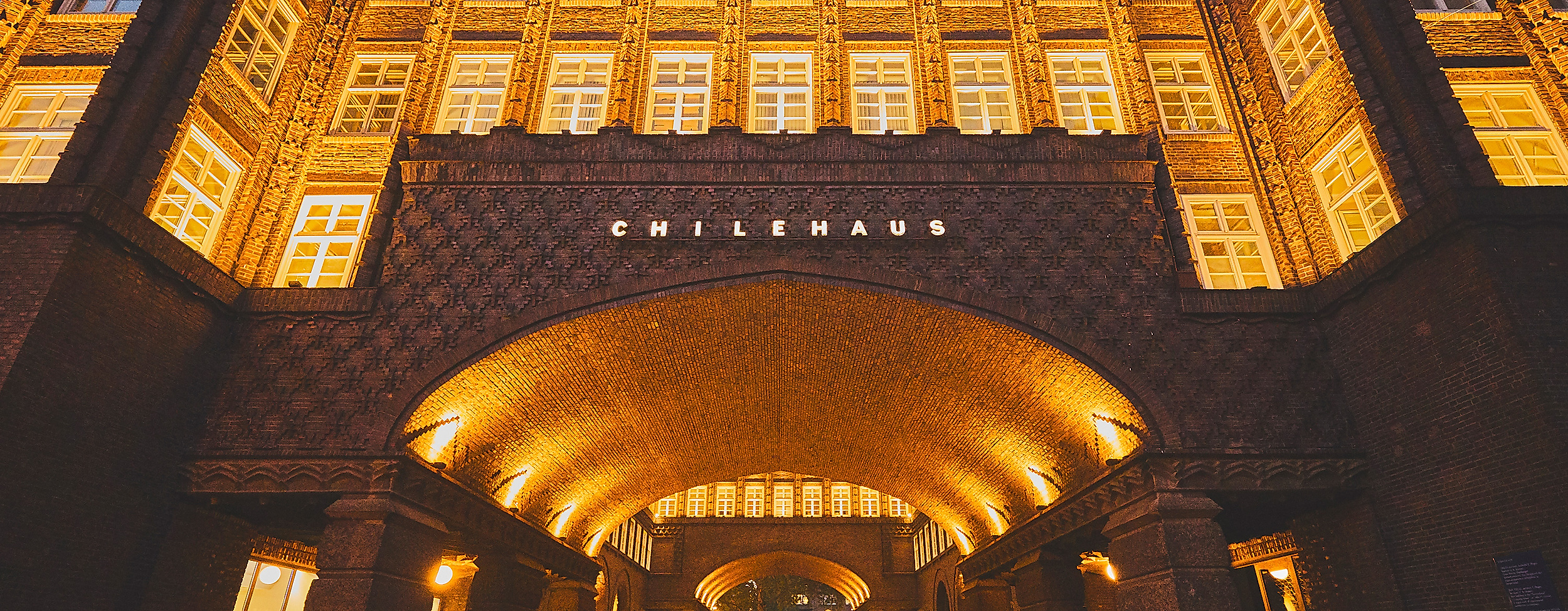
The Chilehaus was built between 1922 and 1924 to the designs of Fritz Höger – in the style of Brick Expressionism, which blends North German building traditions with modern design ideas. The ten-storey building captivates with its clearly structured façade, elegant curves and its pointed corner reminiscent of a ship’s bow. Around 4.8 million bricks were used – a reflection of Hamburg’s economic dynamism in the interwar period. Today, the building houses offices, retail spaces and gastronomy. Visitors can explore the inner courtyards or experience the distinctive architectural language while walking around the building.

Did You Know?

The Chilehaus is situated in the heart of the historic Kontorhaus District, which is unique worldwide for its uniform design and monumental brick architecture. Together with the neighbouring Speicherstadt, it forms one of the most significant urban ensembles of the modern era.

A Worthwhile Next Stop

Just a few minutes' walk away: the sensory experience of Chocoversum, where visitors can discover chocolate with all their senses. Also nearby: the Museum für Kunst und Gewerbe near the main railway station or a stroll through Hamburg’s historic UNESCO World Heritage Speicherstadt with its bridges, canals and museums.

from 12.90 €

Hamburg CARD

Free travel on buses, trains and harbour ferries (HVV) and up to 50% discount on over 150 tourist offers

Buy the Hamburg CARD now

More on this subject

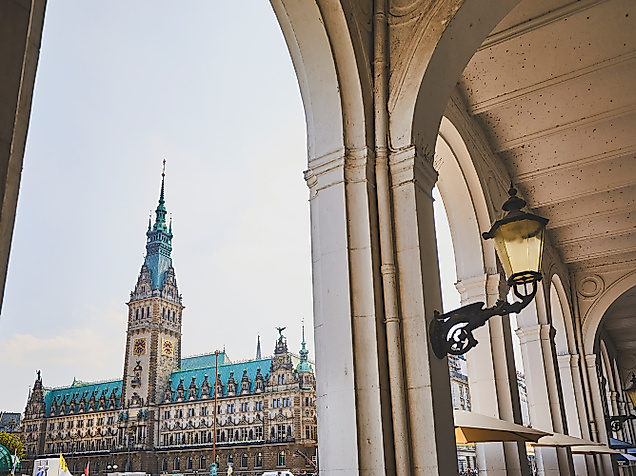
Blick durch die Alsterarkaden auf das Hamburger Rathaus mit markantem Turm
© ThisIsJulia Photography

CITY AREA PORTRAIT Alt- & Neustadt

The historic core of the Altstadt (German for Old Town) district is shaped by traditional buildings such as the Hamburg city hall and the chamber of commerce, the alleyways and bridges which stretch out all the way to the HafenCity district. In the Neustadt district district between Laeiszhalle and Jungfernstieg with elegant promenades, fashion stores and gallery owners – overlooking the Alster.

Alt- & Neustadt

THIS MIGHT INTEREST YOU AS WELL Further recommendations

viewpoint_aussenansicht_c-2018-thisisjulia-photography-2
© ThisIsJulia Photography

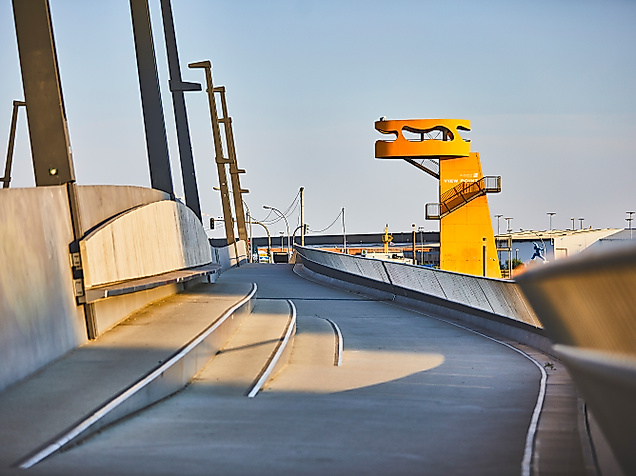
View Point

A viewing tower offers a host of new perspectives of the growing HafenCity in Hamburg. However, it is not only the view which is spectacular. The View Point itself is very eye-catching.

View Point
st-nikolai_c-2018-thisisjulia-photography-2
© ThisIsJulia Photography

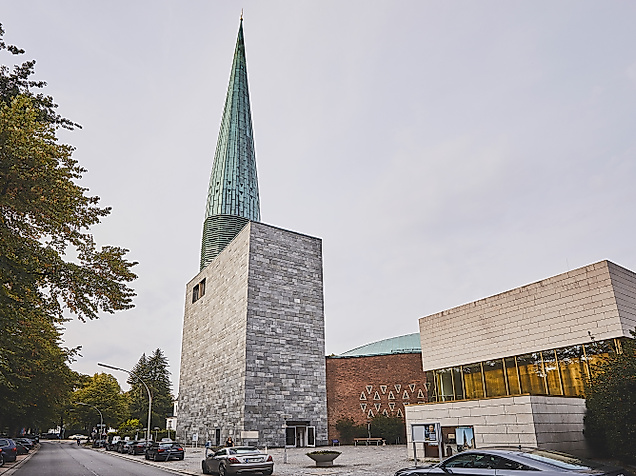
The main church at Klosterstern. Hauptkirche St. Nikolai am Klosterstern

The new building was erected from 1846 to 1874 in the neo-Gothic style to designs by the English architect Gilbert Scott and was destroyed by the bombings during the Second World War in 1943; the ruins were demolished in 1951.

Unlike the other principal churches, after the war the parish of St. Nikolai decided in 1956 against rebuilding the church on the Hopfenmarkt and instead dared a new beginning at the Klosterstern in Harvestehude, a densely populated district of the city. The new church on Klosterstern (Harvestehuder Weg 118) was built according to designs by Gerhard Langmaak and was dedicated in 1962.
Considered as both a special feature and attraction is the altar mosaic based on a design by Oskar Kokoschka, as well as the Coester window from 1939.
The former location of the main church of St. Nikolai with the 147-metre church tower – the third highest in Germany – is a ruin worth seeing on Hopfenmarkt and is considered a memorial and as a place for exhibitions and events.


Hauptkirche St. Nikolai am Klosterstern
Planetarium Hamburg
© Hamburg Tourismus GmbH

Planetarium

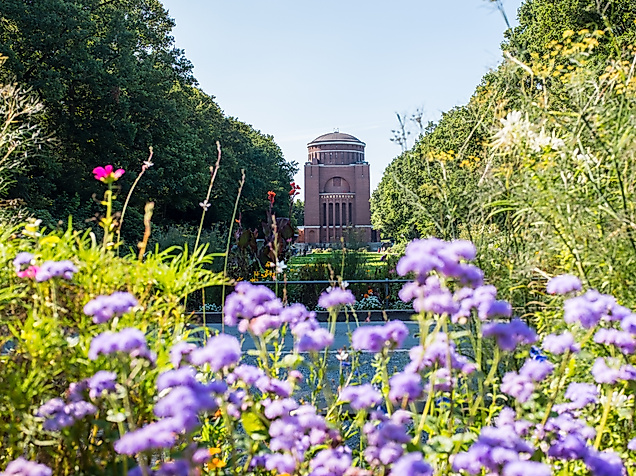
The Hamburg Planetarium is probably the most advanced planetarium on your home planet! Under the dome of the hall is assembled a "multimedia orchestra" that is unique in the world, immersing visitors in a cosmic, all-around environment of images, sound and live performance...

Planetarium

Languages

Google translator for other languages

Please note that this is an automatic translation.
For better information, you can always switch to the German or English version