Puppenmuseum Falkenstein

  • © Elke Droescher
  • © Elke Droescher

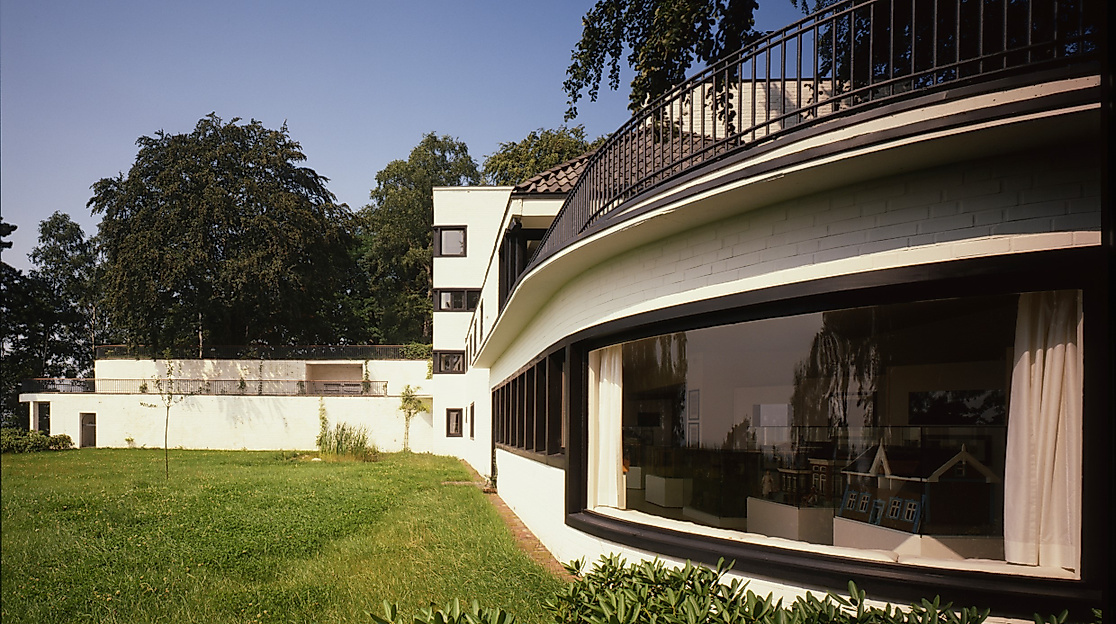
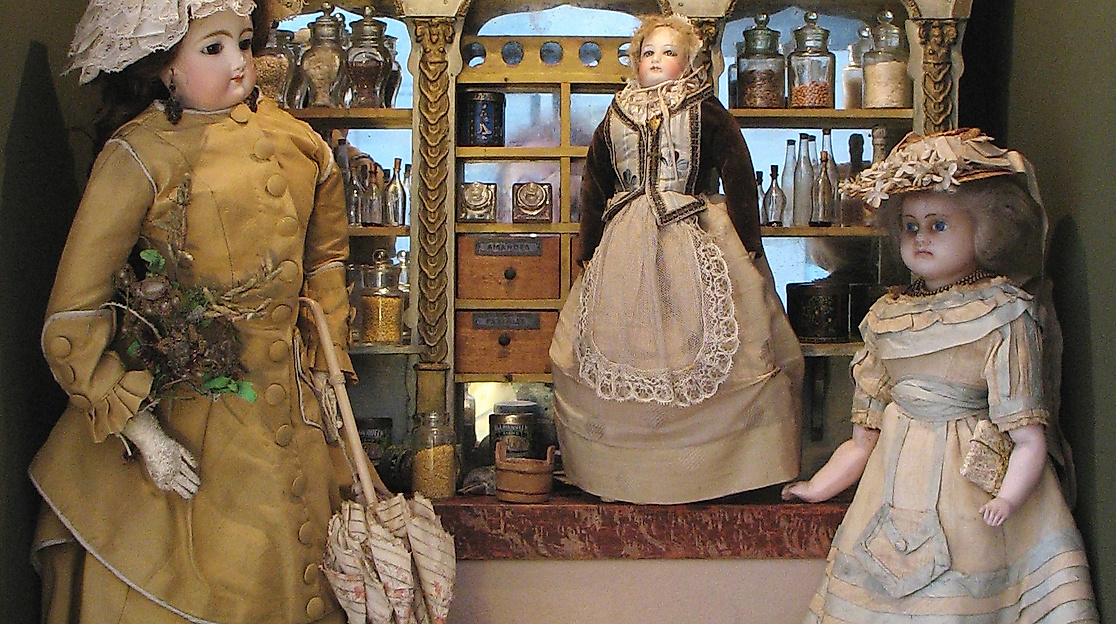
High above the Elbe river stands Hamburg's most impressive country house in Bauhaus style, a doll museum with over 500 dolls, 60 doll's houses and children's portraits.

Since 1986, the doll museum has shown Elke Dröscher's extraordinary collection with over 500 dolls, 60 dollhouses and children's portraits from three centuries. The antique dolls reflect the development of fashion and the change in the ideal of beauty. An exciting journey through time for children and adults alike. More information at www.elke-droescher.de

More on this subject

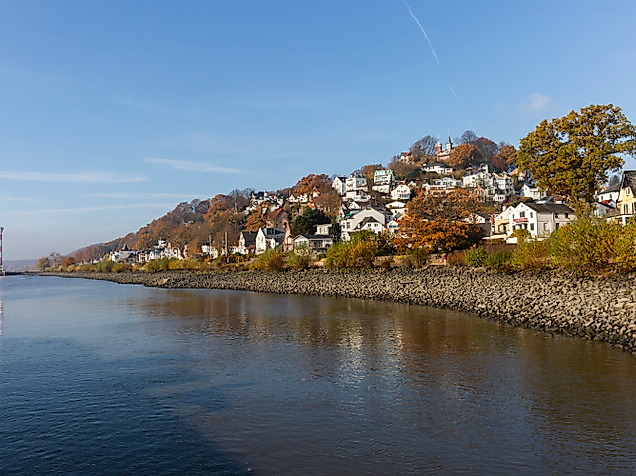
Herbstlicher Blick auf das Treppenviertel in Hamburg-Blankenese mit Elbufer und Leuchtturm
© Lee Maas / Timo Sommer

CITY AREA PORTRAIT Blankenese & Elbe outskirts

The former fishing and seamen's village of Blankenese is situated directly on the Elbe. It is the perfect starting point for hopping on a sailing boat or on the Elbe ferry, or for taking long walks along the shore. Another highlight is a visit to the Treppenviertel (German for staircase quartier) with a spectacular view of the lighthouse and the Falkenstein shore.

Blankenese & Elbe outskirts

THIS MIGHT INTEREST YOU AS WELL Further recommendations

altonaer-museum_c-2018-thisisjulia-photography-5_1
© ThisIsJulia Photography

Foundation for Historical Museums Hamburg. Altona Museum

Visitors can find out more about the history of the popular Hanseatic city and the whole of Schleswig-Holstein at the Altona Museum in Hamburg. The museum brings you closer to the art and cultural history of northern Germany as well as fishing and sailing.

Altona Museum
Jenisch Haus
© Sinje Hasheider

Art and art history exhibitions Jenisch House

The Jenisch Haus is one of the most beautiful historic buildings in Hamburg and offers a small oasis for nature lovers with its adjoining landscape garden and breathtaking view over the Elbe.

Jenisch House
st-nikolai_c-2018-thisisjulia-photography-2
© ThisIsJulia Photography

The main church at Klosterstern. St. Nikolai

St. Nikolai - the name represents an extremely changeful church history. The principal church of St. Nikolai was built during the time of the settlement of the new city in the 12th century, and by 1353 had been extended to become a triple naved basilica in the Gothic style - it was then completely destroyed in the Great Fire of Hamburg in 1842.

St. Nikolai

Top customer reviews

No reviews available.

Write new rating

This is your text

Your rating *

Languages

Google translator for other languages

Please note that this is an automatic translation.
For better information, you can always switch to the German or English version